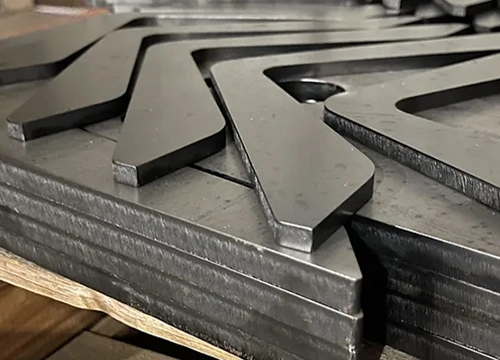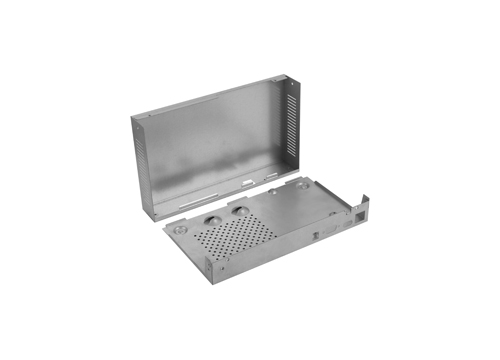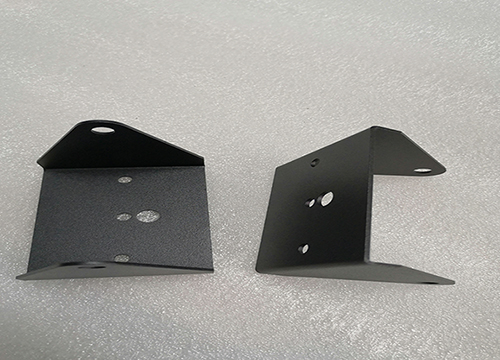

An alloy based on aluminum with a certain amount of other alloying elements added is one of the light metal materials. Aluminum alloys not only have the general characteristics of aluminum, but also have some specific characteristics of alloys due to the different types and quantities of alloying elements added.
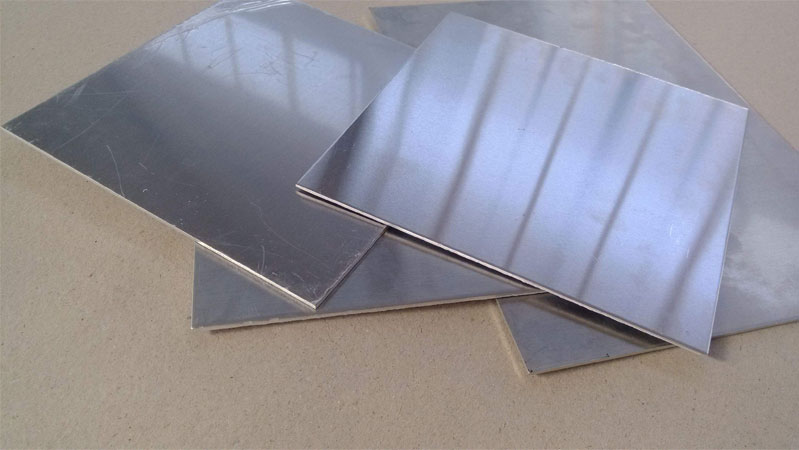
The density of aluminum alloy is 2.63-2.85g/cm3, with a high strength (σ b of 110-650MPa), a specific strength close to high alloy steel, and a specific stiffness higher than steel. It has good casting and plastic processing properties, good electrical and thermal conductivity, good corrosion resistance and weldability, and can be used as structural materials. It has a wide range of applications in aerospace, aviation, transportation, construction, electromechanical, lightweight and daily necessities
Stainless steel is the abbreviation for stainless acid resistant steel. Steel grades that are resistant to weak corrosive media such as air, steam, water, or have non rusting properties are called stainless steel; Steel grades that are resistant to chemical corrosion media (such as acid, alkali, salt, etc.) are called acid resistant steel.
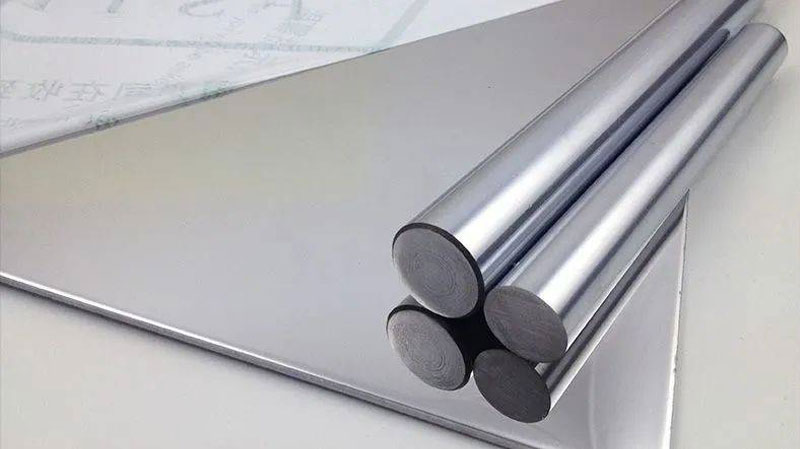
Due to the difference in chemical composition between the two, their corrosion resistance is different. Ordinary stainless steel is generally not resistant to chemical media corrosion, while acid resistant steel generally has non rusting properties. The term 'stainless steel' does not simply refer to a single type of stainless steel, but rather to over a hundred types of industrial stainless steel, each developed with excellent performance in its specific application field. The key to success is first to understand the purpose and then determine the correct steel grade. There are usually only six types of steel related to the application field of building construction. They all contain 17-22% chromium, and better steel grades also contain nickel. Adding molybdenum can further improve atmospheric corrosiveness, especially resistance to corrosion in chloride containing atmospheres.
Generally speaking, the hardness of stainless steel is higher than that of aluminum alloy, and the cost of stainless steel is higher than that of aluminum alloy.
1.Lightweight and High Strength: Aluminum alloy has low density but high strength, and has excellent mechanical properties, making it suitable for manufacturing products that need to bear large weights.
2. Good thermal conductivity: Aluminum alloy has excellent thermal conductivity and is suitable for applications that require rapid heat transfer, such as radiators
3. Good corrosion resistance: A dense oxide film can be formed on the surface of aluminum alloy, which has certain corrosion resistance.
4. Good processing performance: Aluminum alloy is easy to process and shape, suitable for manufacturing various complex shapes and structures.
1.Relatively low strength: Although aluminum alloy has higher strength, its strength is still insufficient compared to stainless steel
2. Limited corrosion resistance: Although aluminum alloys can form oxide films on their surfaces, their corrosion resistance is still not as strong as stainless steel, especially in environments with strong acids and alkalis where they are prone to corrosion.
3. Poor high temperature resistance: Aluminum alloys are prone to softening in high temperature environments and are not suitable for applications that require high temperature resistance.
1.Corrosion resistance+strong: Stainless steel can resist the erosion of most chemicals and is not easy to rust, making it suitable for use in humid and corrosive environments.
2. Good high temperature resistance: Stainless steel can maintain good performance in high temperature environments, is not easily deformed, and is suitable for fields that need to withstand high temperatures
3. High strength: Stainless steel has high strength and hardness, and can withstand significant pressure and impact.
4. Good aesthetics: The stainless steel surface is smooth, has a metallic luster, has a beautiful appearance, and is easy to clean
1.High price: The production cost of stainless steel is relatively high, so its price is usually more expensive than other materials such as aluminum alloy,
2. Poor thermal conductivity: Stainless steel has relatively poor thermal conductivity and is not suitable for applications that require rapid heat transfer.
3. High processing difficulty: Stainless steel has high hardness and requires professional equipment and technology during the processing, making it difficult to process,
In summary, stainless steel is usually more rust resistant than aluminum alloy in outdoor applications. Stainless steel has stronger corrosion resistance, especially in harsh environmental conditions. Although aluminum alloy can provide good corrosion resistance under normal usage conditions, its surface is prone to scratches and oxidation.
Therefore, when selecting materials, specific usage environments and maintenance conditions should be considered.

 English
 日本語
日本語 français
 Deutsch
 Español
 italiano
 русский
 português
 Svenska
 Ελλάδα
 Nederland