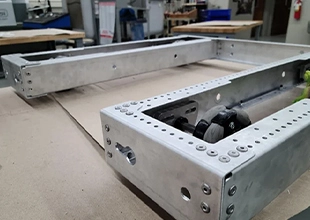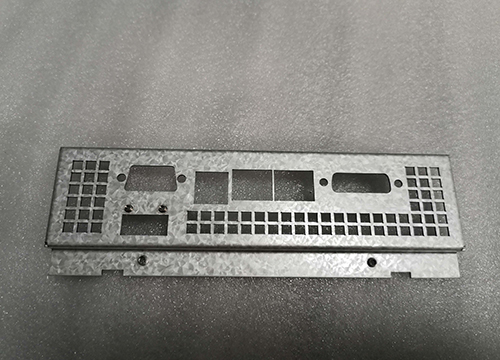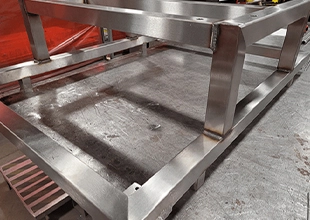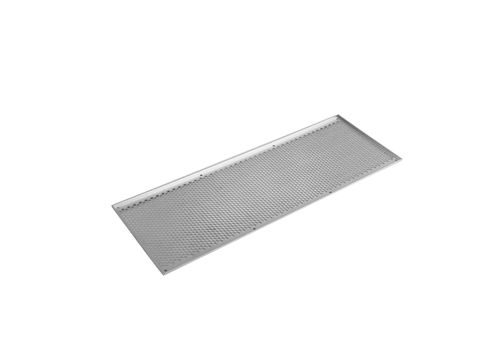

In sheet metal fabrication, structural engineering, equipment manufacturing, building components, and consumer electronics, the choice of metal materials directly impacts product performance, appearance, cost, and lifespan. Carbon steel and stainless steel are the two most commonly used materials. Although both are iron-based alloys, they differ significantly in composition, properties, corrosion resistance, processing methods, and applications.
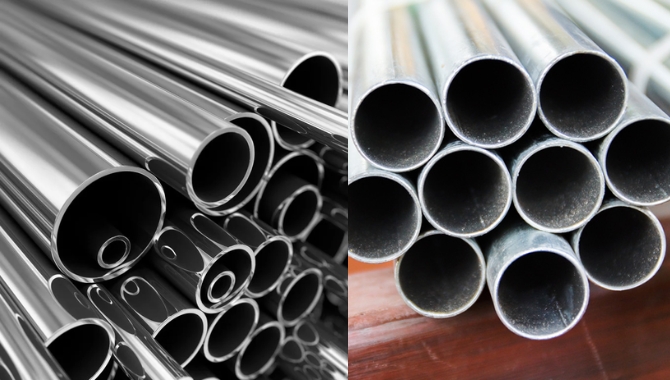
Carbon Steel
Carbon steel is an alloy composed of iron and carbon. Its properties are primarily adjusted by controlling the carbon content and trace elements such as manganese and silicon. A higher carbon content increases hardness but decreases toughness.
Stainless Steel
Stainless steel is an iron alloy with at least 10.5% chromium (Cr) added for corrosion resistance. Some grades also contain alloying elements such as nickel (Ni) and molybdenum (Mo) to further improve performance.
1. Corrosion Resistance
Stainless Steel Advantages: Chromium forms a dense passive film on the surface, effectively resisting oxidation and acid-base corrosion. 304 and 316 series, in particular, maintain stable performance in most outdoor and humid environments.
Carbon Steel Limitations: It lacks self-protection and is highly susceptible to rust. Protective treatments such as painting, electroplating, and hot-dip galvanizing are required, increasing maintenance costs.
2. Strength and Rigidity
Carbon Steel Advantages: Carbon steel generally has a higher yield strength than austenitic stainless steel, especially medium and high carbon steels, allowing it to withstand greater loads.
Stainless Steel Limitations: Austenitic grades (such as 304) have relatively low yield strength and may not be suitable for load-bearing structural applications.
3. Weldability
Low-carbon steels have excellent weldability and are often used for welded structural components.
Austenitic stainless steels (such as 304 and 316) also have excellent weldability, but care must be taken to control heat input to prevent intergranular corrosion.
4. Machinability
Carbon steel is easier to process, such as cold bending, stamping, and cutting, and its machining tools have longer life.
Stainless steel hardens quickly during machining, requiring specialized tools that wear quickly and result in higher machining costs.
5. Aesthetics and Surface Treatment
Stainless steel's inherent surface finish (brushed, mirrored, or electropolished) eliminates the need for additional coatings.
Carbon steel has a rough surface and rusts easily, typically requiring post-processing such as powder coating, painting, and galvanizing, which increases the number of steps involved.
6. Material Cost
Carbon steel is significantly cheaper than stainless steel, making it more cost-effective for high-volume, budget-constrained projects.
Stainless steel, especially 304 and 316 grades, has a higher cost, but considering lifespan and maintenance costs, it may offer advantages in the long term.
Budget priority: For projects with a limited budget or where surface quality is not a priority, carbon steel offers a cost-effective option.
Prioritizing durability and aesthetics: For components requiring maintenance-free operation, a high-quality appearance, or those exposed to humid or corrosive environments, stainless steel should be used.
Processing method: For structural parts requiring extensive welding and bending, low-carbon steel is preferred; however, stainless steel should be preferred for high-end decorative parts.
Service environment: For outdoor or corrosive environments, carbon steel should be avoided unless it is treated with reliable protective treatment.
Carbon steel and stainless steel play different roles in sheet metal fabrication. Understanding their respective characteristics helps you choose the most balanced material between function, cost, aesthetics, and longevity. Each material has its specific strengths, and choosing the right one ensures your product is fully utilized.
If you have material requirements for a specific application, please contact us. We can provide sheet metal samples and customization suggestions.

 English
 日本語
日本語 français
 Deutsch
 Español
 italiano
 русский
 português
 Svenska
 Ελλάδα
 Nederland