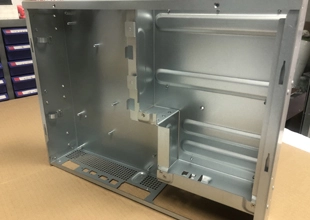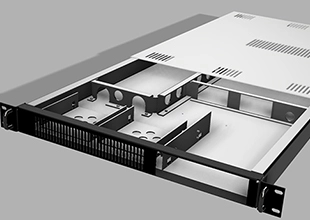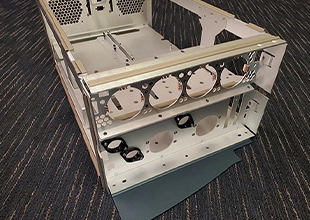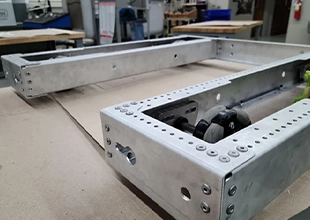

HSJ manufactures precision sheet metal chassis for electronic and industrial equipment, including custom housings, frames and mounting structures. Material, thickness, bends, joining methods and surface finish are selected according to the part drawing and application. Send the required dimensions, mounting layout, tolerances and order quantity so the manufacturing requirements can be reviewed before quotation.
Before selecting a fabrication route, define the chassis material and thickness, overall dimensions, mounting positions, critical tolerances and finishing requirements. For assemblies, include mating parts and fastening details. These inputs help identify features that affect bending, welding, surface treatment and final inspection.
The sheet metal processing chassis is an important part of the sheet metal processing industry. The manufacturing process of sheet metal chassis requires a lot of technology. To get sheet metal chassis, we need some specific technologies. The main technologies in metal chassis fabrication are as follows:
(1) Welding: Welding processes mainly include arc welding, electro slag welding, gas welding, plasma arc welding, fusion welding, pressure welding, brazing and so on.
(2) Stretching: The radius of curvature between the bottom of the pull tab and the straight wall should be b, that is, r1≥t, generally r1=(3~5)t, and the maximum radius of curvature should be less than or equal to the thickness of the plate 8 times of, that is, r1≤8t.
(3) Blanking: According to different processing methods, blanking can be divided into ordinary blanking, counting punching, shear cutting, laser cutting, wind cutting, etc.
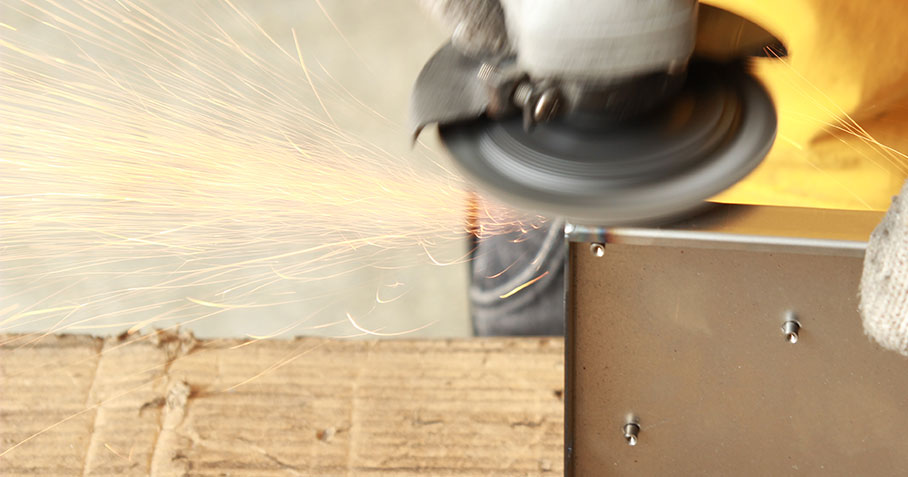
Due to high demand from people, electronic products are increasingly being used in our daily lives, especially the widely used high-level sheet metal chassis. Therefore, it is necessary to share the advantages of sheet metal chassis fabrication, which can be summarized into the following 6 aspects:
Lightweight: Sheet metal is a lightweight material, making it ideal for creating lightweight chassis that improve fuel efficiency in automobiles, reduce the weight of heavy machinery, and make transportation easier.
Durable: Sheet metal is a strong and durable material that can withstand harsh environments and extreme weather conditions. This makes it suitable for chassis used in outdoor applications such as construction machinery, agricultural equipment, and military vehicles.
Cost-effective: Sheet metal chassis fabrication is a cost-effective process that allows manufacturers to produce high-quality products at a lower cost than other fabrication methods. This is due to the relatively low cost of the raw materials and the ease of chassis fabrication parts manufacturing.
Versatile: Sheet metal can be easily manipulated and formed into complex shapes and designs, making it a versatile material that can be used in a wide range of applications. This allows manufacturers to create custom chassis designs that meet specific requirements and specifications.
Corrosion-resistant: Sheet metal can be coated with a variety of protective coatings that make it resistant to corrosion, rust, and other forms of damage. This makes it an ideal material for use in marine applications, where exposure to saltwater can cause significant damage to other materials.
Easy to customize: Sheet metal chassis fabrication can be easily customized into different shapes, colors, and surface treatments, from big equipment to mini PC accessories. The variety of designing options is endless.
Therefore, sheet metal chassis fabrication offers several advantages that make it a popular choice for a wide range of industries and applications. Its lightweight, durability, cost-effectiveness, versatility, corrosion-resistance, and customization capabilities make it a reliable and efficient material for creating high-quality chassis.
Different uses of CNC chassis determine the design and the selection of material. For vehicles, the material used for the construction of the chassis is usually carbon steel, but it is also becoming more commonplace that they are made up of aluminum alloys considering its light-weight characteristic.
Materials for chassis CNC: SGCC galvanized plate, SECC electrolytic plate, SUS stainless steel (model 201 304 316, etc.), SPCC iron plate, white copper, red copper, AL aluminum plate (model 5052 6061, etc.), SPTE, spring steel, manganese steel.
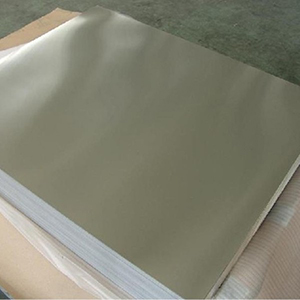
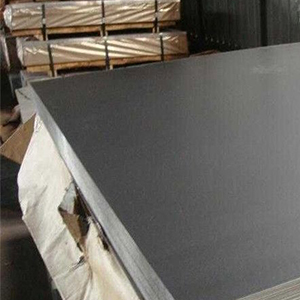
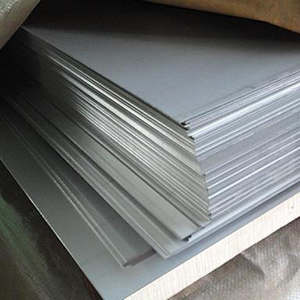
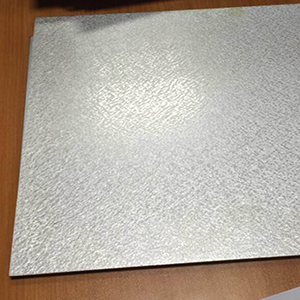

Except our talented workforce and advanced machine, the design engineers working for HSJ Metal Fabrication are equipped with skills to optimize the weight and size of the chassis.
By years of experience and standard software, HSJ Metal Fabrication performs can simulation on the design to produce the prototype. After designing and manufacturing the product, we will do lots of testing tasks of the product to ensure the quality of your desired products.
Raw material testing:Inspection of the raw materials used in production we have professional incoming material inspector to inspect them.
In-production control: we have rich experience operator to check the whole process make sure each step of production is within control limits.
Explore existing chassis and enclosure parts as starting points for your project. Each design can be discussed around its mounting layout, material, finish and mechanical supply scope.
Identify the mounting plane and reference features used to locate boards, motors, power modules or brackets. Dimension related holes and cutouts from agreed datums, and highlight the interfaces that must align during assembly.
| Material Option | Why Consider It? | Design & Finish Checks |
| Aluminum 5052 Sheet | An option for formed chassis panels and components where weight is an important design consideration. | Confirm temper, bend geometry and stiffness requirements. Specify cosmetic faces and anodizing or coating requirements. |
| Cold-Rolled Carbon Steel | An option for formed bases, supports and housings where strength, geometry and total cost need to be balanced. | Confirm grade, thickness and corrosion protection. Review joining distortion and finish allowances at mating features. |
| Galvanized or Electrogalvanized Steel | Pre-coated steel options for specified chassis and enclosure applications. | Confirm the base material and coating specification, including exposed edges, joining areas and any additional finishing. |
| Stainless Steel 304 / 316 | Options to evaluate where exposure, cleaning and surface requirements influence material choice. | Select the grade for the actual environment. Review forming, joining and the required surface condition; do not assume universal corrosion resistance. |
| Aluminum 6061 for Machined Components | An option to assess for separate machined mounting or interface components used alongside the sheet metal chassis. | Confirm material condition and machining requirements. Suitability for bending must be reviewed separately; it is not a direct substitute for 5052 sheet. |
The manufacturing route follows the approved design and supply scope. A chassis may combine formed sheet parts, installed hardware and machined components, with inspection points defined around the features that affect assembly.
Agree on the acceptance criteria before production. A dimensional result is useful when it is tied to the datum, feature and inspection method that matter to the assembly. Confirm the required records and sample checks during quotation.
Suggested project evidence: approved drawing revision, manufacturing route, critical mounting features and the sample inspection result.
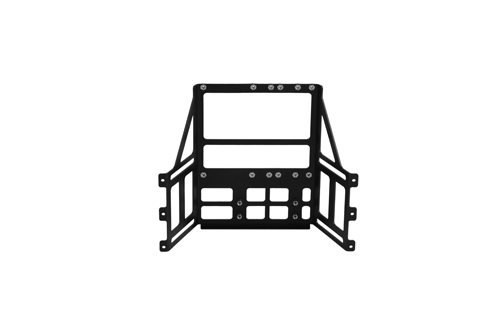
Customized sheet metal fabrication metal chassis
Surface treatment (finish)High polish, brush, sandblast, anodization plating (nickel, chrome), powder coat , Lacquer painting, silkscreen, pad printing
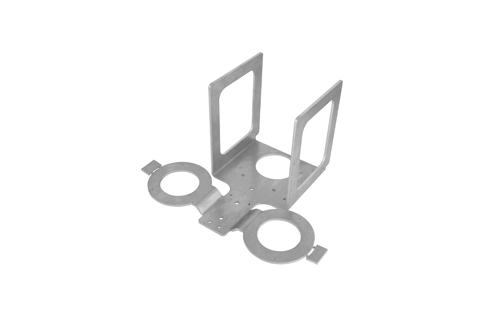
Thickness:0.1mm—20mm
Tolerance: + / - 0.02 mm - 0.1 mm
Equipment: HSG(HS-G3015A) laser machine,bending machine
Production capacity: 10-10000000pcs

A chassis of a robot will carry the DC motors, batteries, electronics, mounting supports, and the others components. Because we have to keep the weight as low as possible, the aluminum robot chassis will be a good choice for your robots.
Chassis is the main support structure of the vehicle which is also known as ‘Frame’. It bears all the stresses on the vehicle in both static and dynamic conditions.
In the process of sheet metal fabrication, HSJ are very strict on both external and internal quality control of the parts. We only make sheet metal chassis which aims for high-quality work.

 English
 日本語
 français
 Deutsch
 Español
 italiano
 русский
 português
 Svenska
 Ελλάδα
 Nederland