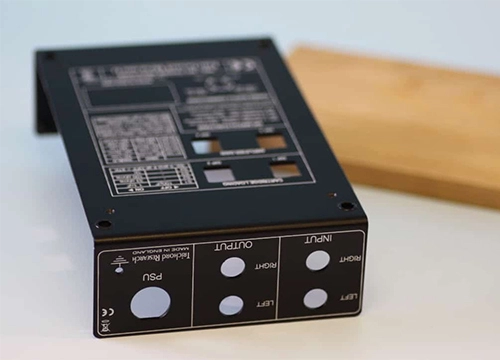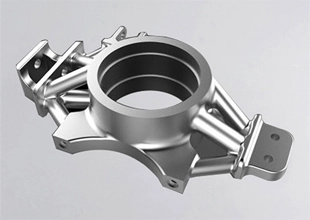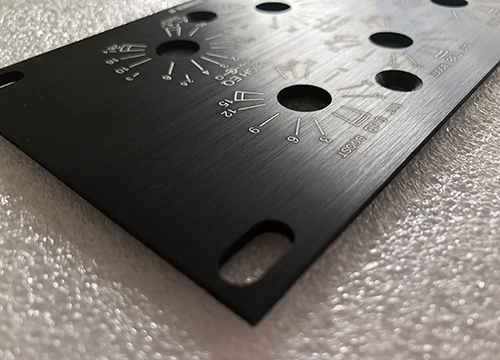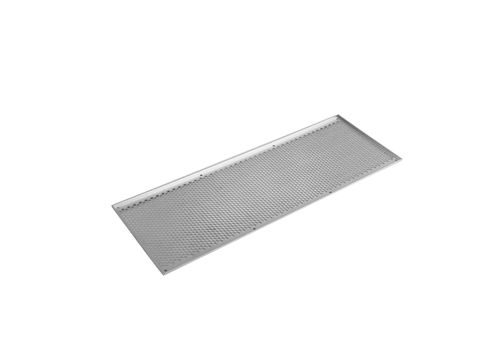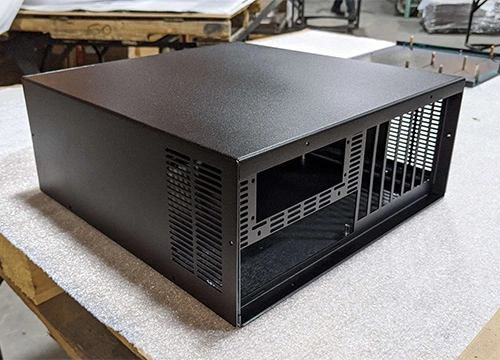

The method of depositing a layer of nickel on the surface of a material through electrolysis or chemical methods is called nickel plating.
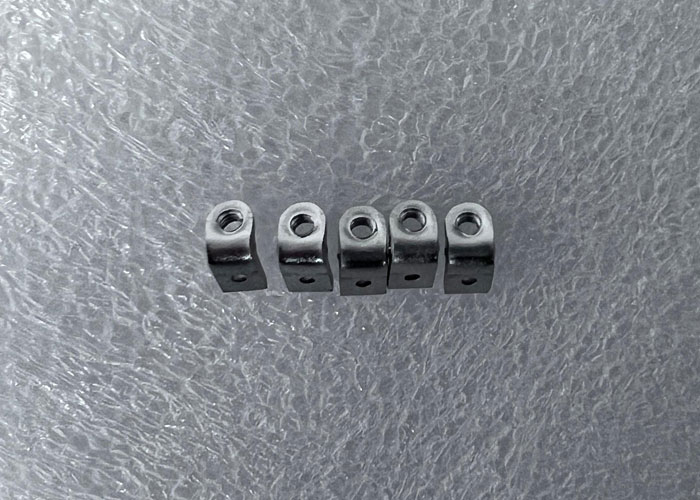
Nickel plating can be divided into electroplated nickel plating and electroless nickel plating. Electroplating uses current, while electroless plating uses chemical reactions. Nickel plating can greatly improve the corrosion resistance of substrate materials and extend their service life.
Zinc plating refers to the surface treatment technology of coating a layer of zinc on the material surface for aesthetic and rust prevention purposes. Zinc plating not only protects metals from oxygen and moisture, but also makes them more attractive and durable.
1. Appearance:
Nickel plating
The nickel plating layer is silver white with a yellowish tint, similar in appearance to stainless steel. But it can maintain its luster better than galvanizing, so nickel plating is usually chosen for metal decorations.
Zinc plating
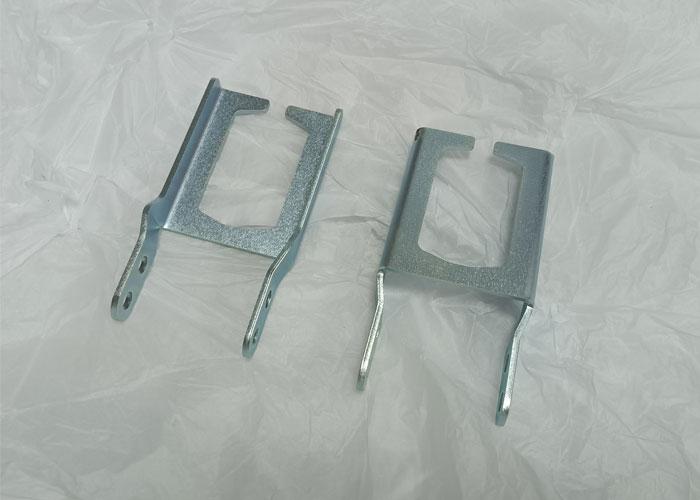
The appearance of the zinc plating layer is silver white, but it can also be plated in common colors such as blue or colored. Zinc initially looks good, but due to environmental factors, it can also darken over time
2. Corrosion resistance:
Nickel plating
Nickel plating has excellent corrosion resistance and wear resistance. Although it is very effective in most applications, nickel plating may not be as effective as zinc plating under the harshest conditions or outdoors.
Zinc plating
Zinc plating is mainly used for rust prevention and has relatively poor corrosion resistance. However, the zinc plating layer has strong corrosion resistance in humid environments and outdoors, making it most suitable for components that can withstand marine conditions and harsh weather.
3. Cost:
Nickel plating
Due to the more complex nickel plating process and expensive raw materials, the cost is higher. However, in applications where performance is crucial, its long lifespan and excellent durability are still highly valued.
Zinc plating
Zinc plating is a more economical solution for metal surface treatment needs. The low cost of zinc and relatively simple electroplating process make zinc plating an ideal choice for large-scale industrial applications.
4. Application:
Nickel plating is commonly used in high demand fields such as electronic components and automotive parts, while zinc plating is mostly used in anti rust applications such as construction and home appliances.
Nickel plating
Advantage:
Nickel plating has good anti-corrosion and rust prevention protection effects.
The hard nickel coating increases wear resistance, thereby extending the service life of nickel plated metal components.
Nickel plating can produce a very beautiful and bright surface, thereby improving the appearance of the product.
Due to its high conductivity, nickel is an excellent material for electroplating electrical appliances and equipment.
Nickel plated components can withstand high temperatures; Therefore, it is suitable for aerospace and automotive applications.
Disadvantage:
Due to the high cost of raw materials, nickel plating may be more expensive than other precision machining processes.
Nickel plating is an energy intensive process that, if not controlled, may cause environmental damage.
Zinc plating
Advantage:
Zinc plating can slow down rusting and extend the service life of metal parts.
Zinc plating has a low cost and is widely used for anti-corrosion and appearance improvement of metal components.
It can be plated on different shapes (simple and complex) and various different metals.The zinc layer can improve the service life and strength of materials, especially in harsh environments.
Disadvantage:
The coating produced by galvanizing is usually thinner than that produced by other processes such as hot-dip galvanizing, which may reduce its long-term durability.
Zinc plating parts may corrode faster when different metals are present in humid environments.

 English
 日本語
日本語 français
 Deutsch
 Español
 italiano
 русский
 português
 Svenska
 Ελλάδα
 Nederland