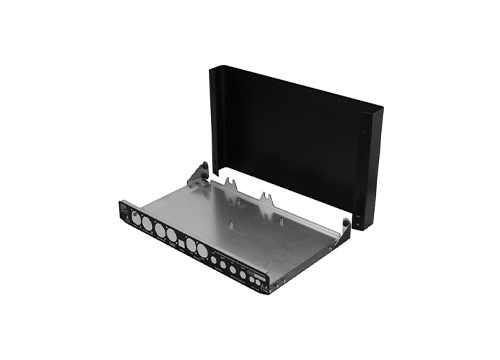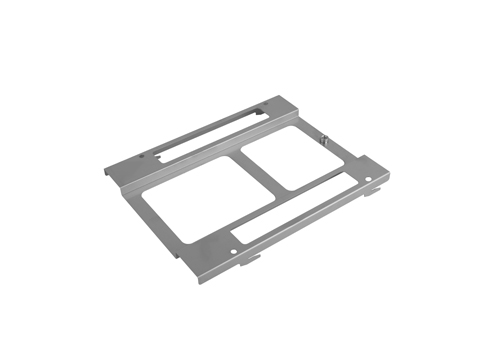

Hot dip plating, abbreviated as hot-dip plating. Hot plating is a process of immersing the coated object into a molten metal liquid to form a metal coating on its surface.
Specifically, the coated steel material is immersed in molten coating metal and then removed and cooled to form a metal coating on its surface. It is widely used in the production of low melting point metal coatings such as zinc, tin, aluminum, lead, and their alloys, mainly for the purpose of corrosion prevention and has a certain decorative effect.
Galvanizing refers to the surface treatment technology of coating a layer of zinc on the surface of metals, alloys, or other materials for aesthetic and rust prevention purposes. The main method used is hot-dip galvanizing.

Zinc is soluble in both acids and bases, hence it is called an amphoteric metal. Zinc hardly changes in dry air. In humid air, a dense alkaline zinc carbonate film forms on the surface of zinc. Zinc has poor corrosion resistance in atmospheres containing sulfur dioxide, hydrogen sulfide, and marine environments, especially in high-temperature, high humidity atmospheres containing organic acids, where zinc coatings are highly susceptible to corrosion. The standard electrode potential of zinc is -0.76V. For steel substrates, zinc coating belongs to anodic coating, which is mainly used to prevent corrosion of steel. The quality of its protective performance is closely related to the thickness of the coating. After passivation treatment, dyeing or coating with light protectants, the protective and decorative properties of zinc coatings can be significantly improved.
1. Appearance
The appearance of galvanized layer is usually bright, uniform, and has good decorative properties. Due to the fact that galvanizing is carried out at room temperature, the crystallization of the coating is relatively fine and the surface flatness is high.
The appearance of hot-dip galvanized layer is relatively rough, and the color is generally silver gray or dark gray. This is because hot-dip galvanizing is carried out at high temperatures, and the crystallization of the coating is relatively coarse, with some defects such as zinc nodules and zinc slag on the surface. However, the thickness of hot-dip galvanized layer is relatively large, so it has obvious advantages in corrosion resistance.
2. Thickness
The thickness of the galvanized layer is generally thin, usually between a few micrometers and several tens of micrometers. This is because the deposition rate of electroplated zinc is slow and limited by factors such as current density and time.
The thickness of hot-dip galvanized layer is relatively thick, generally between tens of micrometers and hundreds of micrometers. This is because hot-dip galvanizing is carried out in molten zinc solution, which has good fluidity and can form a thicker coating on the metal surface. Moreover, the thickness of the hot-dip galvanized layer can be adjusted by controlling parameters such as immersion time and temperature.
3. Corrosion resistance
The galvanized layer has a certain degree of corrosion resistance, but relatively weak. This is because the electroplated zinc layer is relatively thin and its bonding strength with the metal substrate is not as strong as that of hot-dip galvanized layer. In humid and corrosive environments, the galvanized layer is prone to corrosion, resulting in peeling, detachment, and other phenomena.
The corrosion resistance of hot-dip galvanized layer is very strong. This is because the hot-dip galvanized layer is composed of zinc iron alloy and has good electrochemical protection. In humid and corrosive environments, the zinc layer will corrode first, thus protecting the metal substrate from corrosion. Moreover, the thickness of the hot-dip galvanized layer is relatively large, which can effectively block external corrosive media and extend the service life of the metal.
4. Adhesion
The adhesion between the galvanized layer and the metal substrate is relatively weak. This is because electroplating zinc forms a coating on the metal surface through physical adsorption and electrochemical deposition, and the bonding force with the metal substrate is mainly van der Waals force and electrostatic force. When subjected to external forces, the galvanized layer is prone to detachment.
The adhesion between hot-dip galvanized layer and metal substrate is very strong. This is because hot-dip galvanizing is carried out at high temperatures, and the zinc liquid undergoes a chemical reaction with the metal substrate, forming a metallurgical bond. This binding force is much stronger than that of physical adsorption and electrochemical deposition, so the hot-dip galvanized layer is not easily peeled off when subjected to external forces.
1. Application of galvanizing
Due to its good decorative properties and certain corrosion resistance, galvanizing is widely used in industries such as home appliances, automobiles, and electronics. For example, household appliance casings, automotive components, electronic product casings, etc. are usually treated with galvanizing to improve the appearance quality and corrosion resistance of the products.
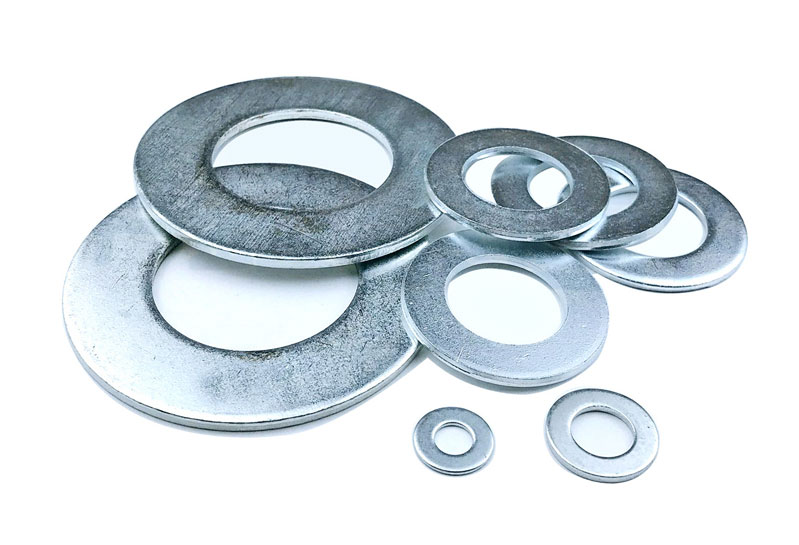
Galvanization is also commonly used for surface treatment of some small metal products, such as screws, nuts, washers, etc. These metal products are small in size and complex in shape, and using electroplating zinc can obtain a uniform and dense coating at a lower cost.
2. Application of hot-dip galvanizing
The hot-dip galvanized layer has excellent corrosion resistance and strong adhesion, so hot-dip galvanizing is widely used in fields such as construction, bridges, power, and communication. For example, steel structure buildings, bridge guardrails, power towers, communication towers, etc. are usually treated with hot-dip galvanizing to ensure long-term use in harsh natural environments.
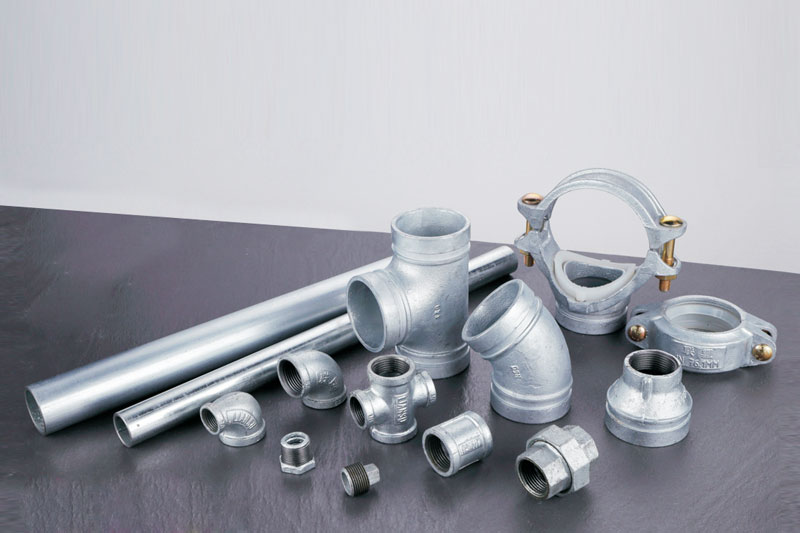
Hot dip galvanizing is also used for surface treatment of some large metal products, such as pipelines, storage tanks, containers, etc. These metal products have larger dimensions and higher requirements for corrosion resistance. Hot dip galvanizing can obtain thicker coatings, thereby improving the service life of the products.
In summary, there are significant differences between galvanizing and hot-dip galvanizing in terms of process principles, coating characteristics, and application fields. When choosing a metal surface treatment method, comprehensive consideration should be given to factors such as specific usage environment, requirements, and costs to select the most suitable treatment method.

 English
 日本語
日本語 français
 Deutsch
 Español
 italiano
 русский
 português
 Svenska
 Ελλάδα
 Nederland