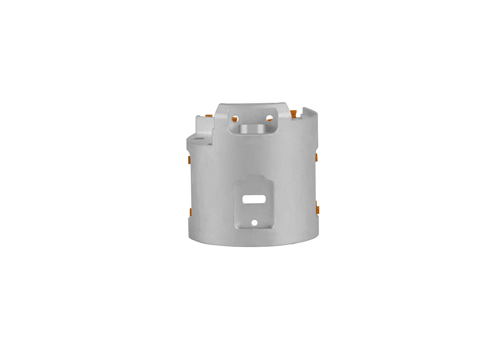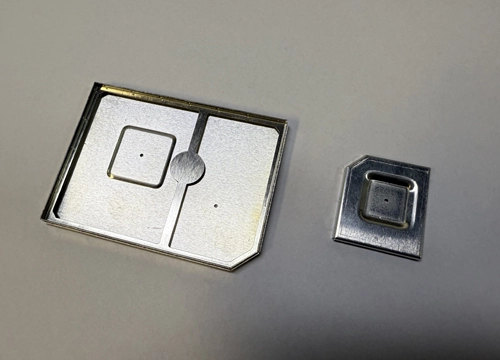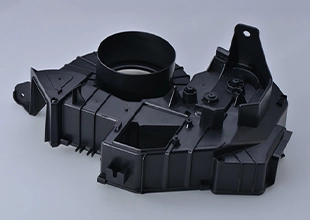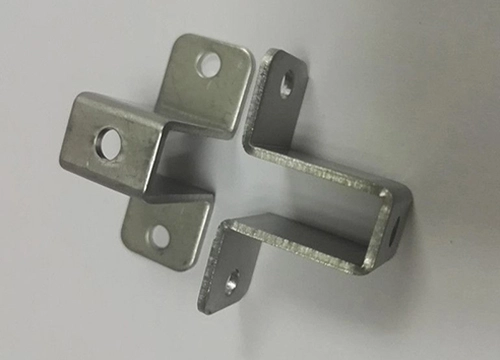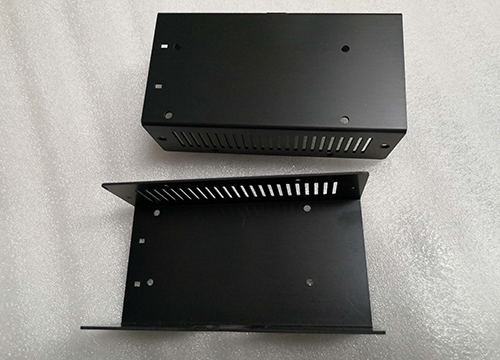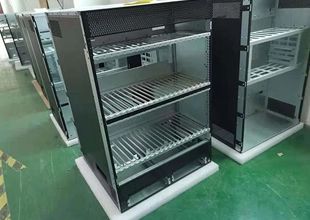

The protruding screw head not only affects aesthetics, but also often damages the appearance of metal components. Sinking treatment is a technique to prevent such protrusion, which involves enlarging the edge of the guide hole.
Therefore, the main purpose of countersunk is to hide the screw head in metal, wood, or plastic parts, and it also helps prevent injury or scratches caused by protruding screw heads.
1. Drill guide holes
Before making the countersunk hole, a guide hole needs to be drilled first. The first step in drilling a guide hole is to choose the appropriate diameter of the screw rod, ensuring that the size of the selected drill bit is the same as or 1.6 millimeters smaller than the screw.
Before starting drilling, it is best to use fixtures to secure metal parts to ensure that they do not move during the drilling process. After fixing the workpiece, mark the drilling position and then install the drill bit.
When drilling, make the drill bit perpendicular to the surface of the metal part, and then press the trigger. Apply pressure to the drill bit until it reaches the same size as the screw.
2. Check and ensure that the countersunk angle is correct
Using the wrong countersunk angle can undermine the purpose of countersunk treatment, as metal components will still appear unsightly. Therefore, in order to ensure that the screws are firmly fixed, there must be the correct countersunk angle. For example, when countersunking metric screws, it is recommended to use a 90 ° angle, while standard screws are recommended to use an 82 ° countersunk angle.
3. Choose a suitable countersunk drill bit
Choosing the appropriate countersunk drill bit requires selecting the correct drill bit diameter. If the diameter of the drill bit used is smaller than the diameter of the screw, the protrusion of the screw head is inevitable. Therefore, it is best to use a drill bit that is similar in size to the intended bolt or screw head.
To measure screw or bolt heads, it is recommended to use a caliper and press its jaws tightly against the screw head to ensure that the screw head does not protrude and is level with the countersunk hole.
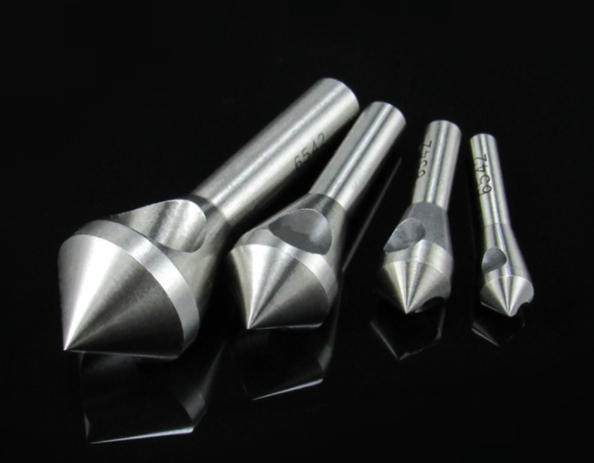
4. Insert the countersunk drill bit into the drill chuck
The drill chuck is the part of the drill bit that holds the drill bit. This component has a fastening collar and a three-way vise. The best way to secure the drill bit into the chuck mainly depends on the design of the drill bit, and the common method is to manually operate it using a chuck key or chuck wrench.
For designs that require adjusting the chuck, you will find an open hole on the chuck for inserting a key and subsequently tightening or loosening it.
In addition, tightening the chuck is acceptable, but make sure it is not too tight so that the sinker drill bit can be easily removed after drilling.
5. Adjust the drill bit to the correct depth
When making countersunk holes in metal, depth and drill type are both important if you want the screw head to be flush with the metal. It is best to set the regulator to 4 millimeters or larger to achieve the correct depth.
Additionally, please note that the exact depth of the regulator you will set depends on the size of the screw head. Choosing the appropriate depth can help prevent excessive countersunking (gaps at the top of the screw head) or protrusion of the screw head from metal components.
6. Drill countersunk holes
Gently push the drill bit equipped with a countersunk drill bit towards the guide hole to drill out the countersunk hole. Drill down until the desired depth is reached, and the exact depth of the hole depends on the size of the screw head and countersunk drill bit.
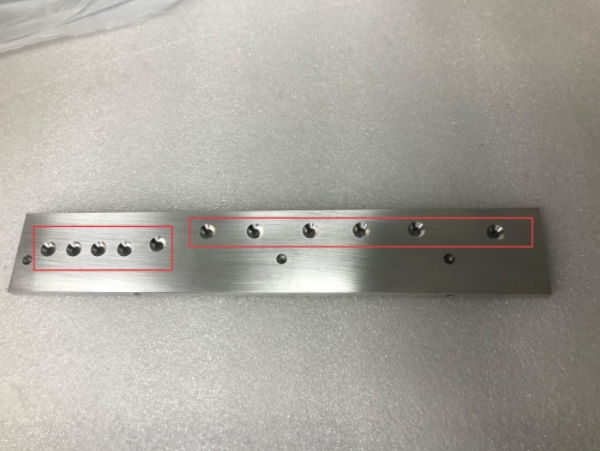
7. Check the countersunk hole
After drilling, use bolts or screws to check the countersunk holes and ensure that the bolts or screws are flush with the surface of the metal part.
60 ° (deburring)
The main purpose of this countersunk angle is to remove burrs or sharp edges in the screw area of metal components. After deburring, the metal has smoother edges.
75 ° (rivet head)
The rivet head angle is suitable for most types of rivet heads, including drive, flat head, friction lock Oscar、 Self piercing rivets, structural steel, and solid rivets.
82 ° and 90 ° (countersunk screws)
There are two angles for countersunk screws. However, the exact angle chosen depends on the industry's countersunk screw standards. For example, the US standard is 82 °, while other countries and regions use 90 ° countersunk screws and the same angle.
120 ° (riveted thin metal plate)
Rivets used for thin metal plates are relatively thin and typically require a countersunk angle of 120 °. This angle depends on their application in connecting thin metal plates.

 English
 日本語
日本語 français
 Deutsch
 Español
 italiano
 русский
 português
 Svenska
 Ελλάδα
 Nederland