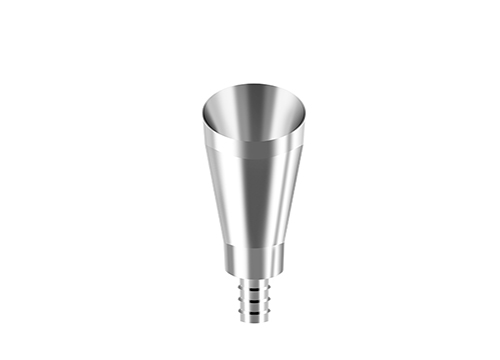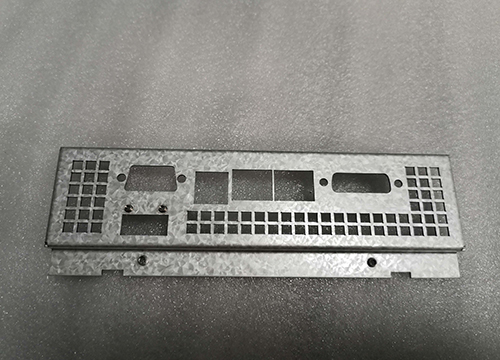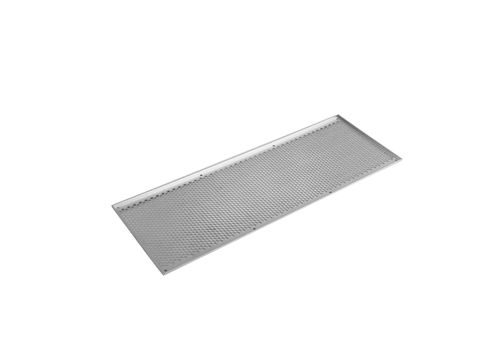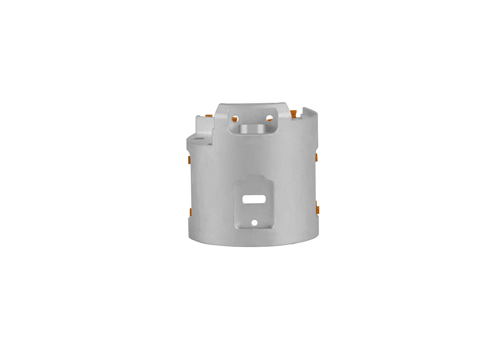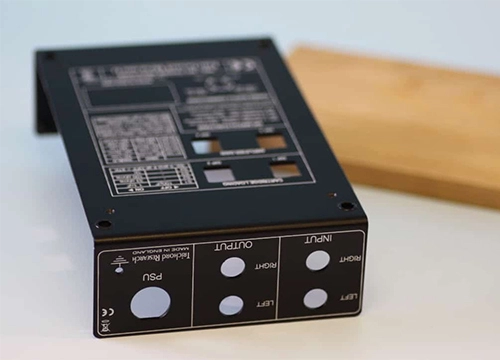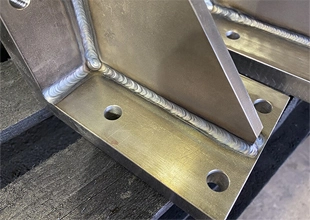

In the medical and scientific testing fields, diagnostic and analytical equipment is at the heart of precision technology. One of the keys to the high performance of these devices lies in their internal precision sheet metal components. These components not only determine the structural stability and appearance of the equipment but also influence the system's reliability, thermal management, and electromagnetic shielding performance.
Diagnostic and analytical equipment, such as blood analyzers, mass spectrometers, PCR testing systems, and chemical analyzers, typically consist of electronic modules, fluidic systems, optical components, and housing structures. Sheet metal components play the following core roles:
Sheet metal frames provide a high-precision mounting base for electronic modules, detection units, and piping systems, ensuring stable alignment during long-term operation.
Analytical equipment typically involves high-sensitivity signal acquisition. Sheet metal housings, through conductive and grounding designs, effectively reduce electromagnetic interference (EMI) and ensure data accuracy.
Copper, aluminum, and stainless steel sheet metal are commonly used for heat conduction and air ducting design, dissipating heat from internal components and maintaining a consistent testing environment.
Sheet metal housings treated with powder coating, anodizing, or brushing not only enhance the device's aesthetics but also provide corrosion resistance and easy cleanability, meeting the requirements of medical environments.
In diagnostic equipment, sheet metal parts must meet high precision, cleanliness, and reliability requirements, making material and process selection crucial.
Stainless steel (SUS304/SUS316L): Highly corrosion-resistant, suitable for medical device housings and fluidic modules.
Aluminum alloys (Al5052, Al6061): Lightweight and highly thermally conductive, commonly used for internal instrument components and heat sinks.
Galvanized steel (SECC, SGCC): Cost-effective, suitable for non-exposed internal frames and supports.
Laser cutting and CNC stamping: Ensure dimensional accuracy and smooth edges, facilitating high-density assembly.
Bending and welding: Precisely control angles and stresses to ensure assembly accuracy.
Surface treatment: Anodizing, powder coating, and electrolytic polishing enhance corrosion resistance and aesthetic appeal.
Precision assembly: Dowel pins, welding jigs, and automated riveting technologies achieve high consistency and repeatability.
To meet the stringent precision and reliability requirements of diagnostic equipment, sheet metal design and manufacturing must adhere to the following principles:
High dimensional accuracy: Tolerances are controlled within ±0.1 mm to ensure modular assembly without error accumulation.
Cleanliness and contamination prevention: Materials and surface treatments must meet medical cleanliness standards and must not release particles or impurities.
Corrosion resistance and ease of maintenance: Material selection must consider disinfectant compatibility and long-term moisture resistance.
Assembly and modularity: The structural design must facilitate quick assembly and disassembly, making it suitable for maintenance and upgrades.
Traceability: Key components must be labeled with batch and manufacturing records to meet medical device compliance requirements.
Sheet metal precision parts are the "invisible foundation of precision" behind diagnostic and analytical equipment. Through advanced cutting, bending, welding, and surface treatment processes, they transform engineering designs into highly reliable functional structures. As medical testing equipment continues to evolve toward miniaturization, high precision, and automation, precision sheet metal manufacturing is also evolving, providing solid mechanical support for the next generation of diagnostic technologies.

 English
 日本語
日本語 français
 Deutsch
 Español
 italiano
 русский
 português
 Svenska
 Ελλάδα
 Nederland