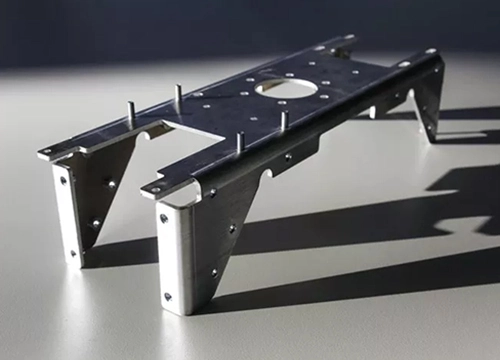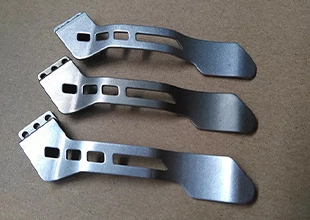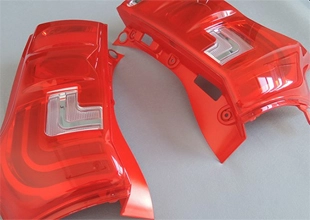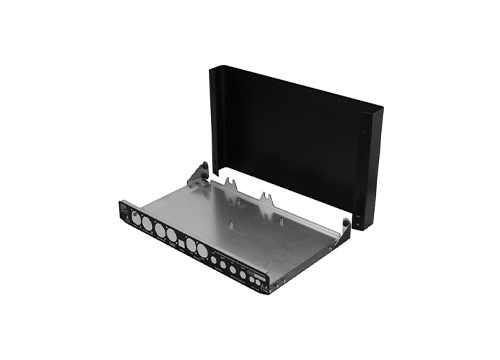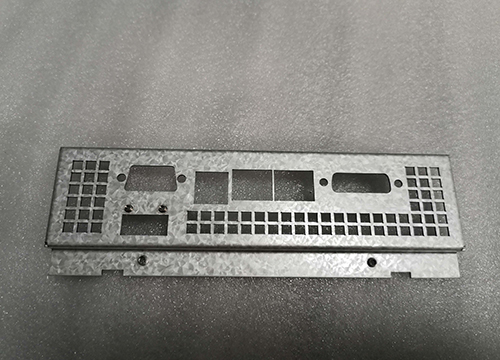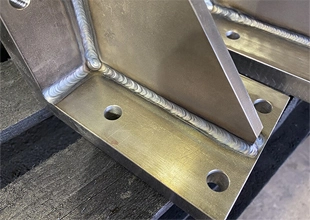

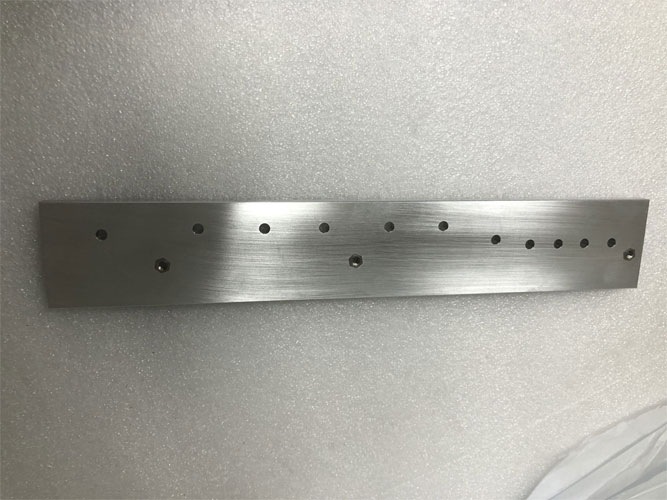
Brushed metal has a unique appearance due to the texture generated by abrasive brushes on its surface. The architecture, construction, and automotive industries utilize textured surfaces for aesthetic purposes. In addition, it can resist fingerprints and scratches or hidden scratches, thereby enhancing the durability of the metal. It is widely used in products such as laptops, smartphones, and kitchen utensils.
Brushing is a surface treatment method that forms lines on the surface of the workpiece by grinding the product, achieving a decorative effect. Due to the ability of surface drawing treatment to reflect the texture of metal materials, it has gained increasing popularity and widespread application.
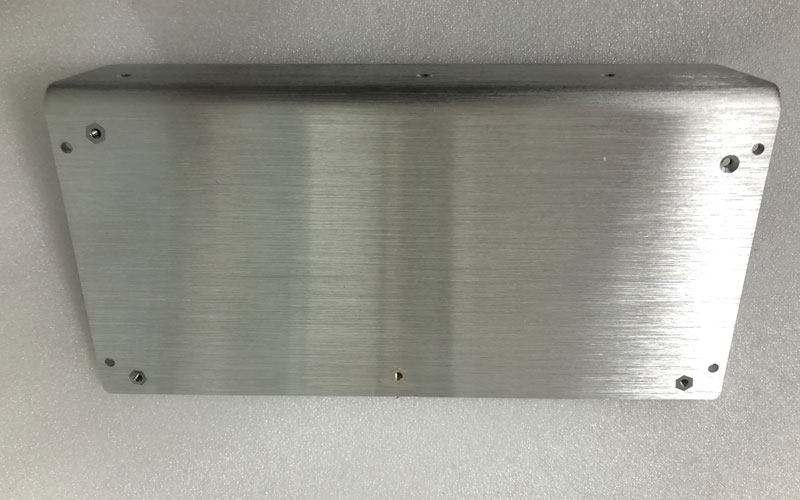
The types of metals that can be brushed include silver, tin, steel, aluminum, copper, galvanized steel, titanium, zinc, nickel, bronze, and titanium. Create brushed textures on the aforementioned metals for decorative purposes such as pipes, jewelry, structures, window frames, fences, and sculptures.
Yes, brushing smoothness can specify surface roughness.
150 mesh (also written as 150#) refers to surface roughness, which is a measure of the surface quality of stainless steel drawing plates.
The smaller the number, the rougher the surface; the larger the number, the finer the surface
The common brushing options is 100#, 120#, 150#, etc.
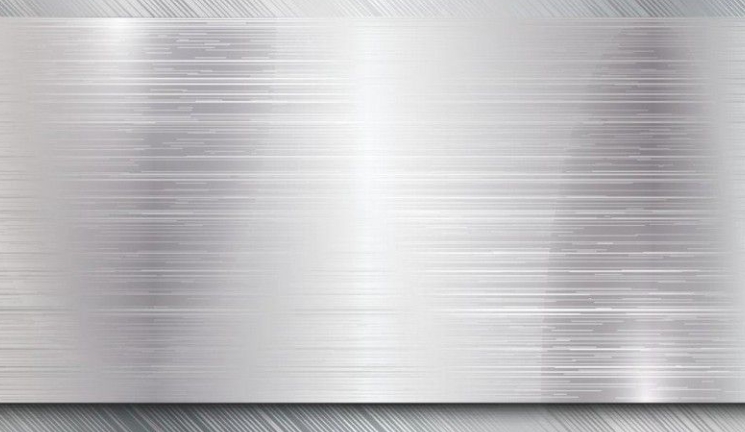
Advantage:
Scars, distortions, and indistinct unevenness
Due to the fact that the parts that have undergone wire drawing processing are already in a state of scars in one direction, even if they are injured in the same direction as the brushing, they are almost undetectable. And the distortion and unevenness are not obvious. Therefore, brushing is effective for parts that are prone to damage during use, such as watch straps and household appliances.
Matte finish can create a sense of luxury
Brushing stainless steel will result in a matte finish. Compared with the implementation of "mirror finishing" with surface polishing, it can present a metallic texture, giving people a sense of sophistication, maturity, and stability. Brushing is very suitable for interior design and furniture that want to showcase an elegant temperament.
It can form bumps and has anti slip effect
Implementing brushing can create small bumps and depressions on the surface of stainless steel, producing anti slip effects. For anti slip purposes, car pedal guards are sometimes subjected to brushing.
Grinding methods and directions enhance design
By changing the particle size and grinding method of the grinding belt, various designs can be achieved. You can also carve patterns with fine grids, or cross brushing them like linen patterns.
Can be produced at a relatively low cost (when using a sand belt grinder)
By continuously grinding multiple stainless steel plates with sand belts, mass production can be achieved at a relatively low cost. However, on the contrary, when processing individual items, it may be very expensive.
Disadvantages:
Aging causes wire drawing to become shallower
Brushing is ultimately used for decoration, rather than processing to improve durability like plating. Therefore, the brushing will gradually become lighter due to aging, and the effect will also decrease accordingly.
The scars perpendicular to the wire drawing are more obvious
Brushing makes scars in the same direction as brushing less obvious, but on the contrary, scars perpendicular to the brushing are often more obvious. Therefore, it is important to determine the direction of brushing based on which direction the part is prone to damage.
Brushing can reduce the corrosion resistance of metals because it provides roughness on the surface, ultimately increasing the wettability of the surface in the presence of liquids, and does not support the formation of water droplets on the surface by liquids. As a result, the corrosion resistance of the metal is compromised. In addition, in outdoor applications of brushed stainless steel or aluminum, chloride ions may remain in the grooves on the brushed surface and may cause severe corrosion.

 English
 日本語
日本語 français
 Deutsch
 Español
 italiano
 русский
 português
 Svenska
 Ελλάδα
 Nederland