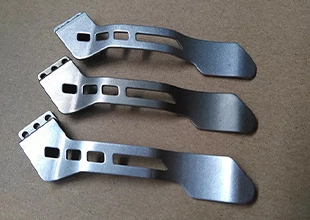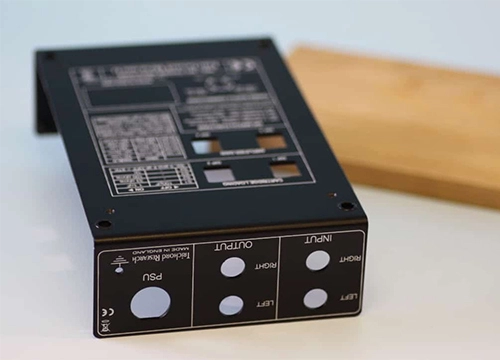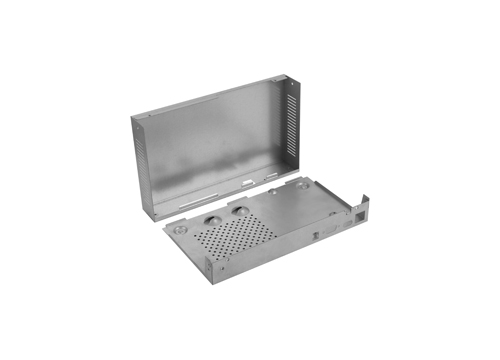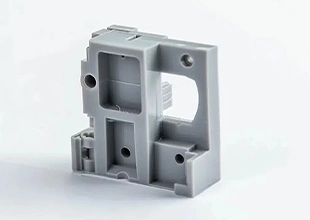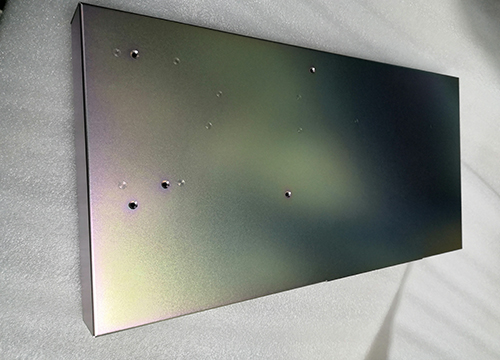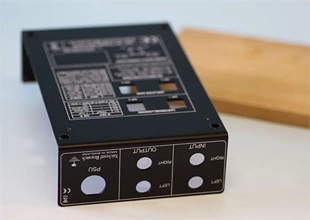

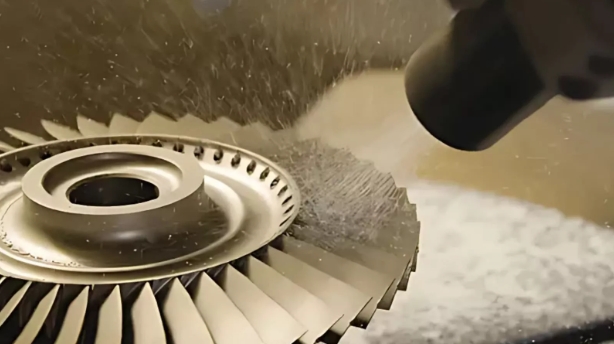
Sandblasting treatment is a process for surface treatment of workpieces. Using compressed air as power, a high-speed jet beam is formed to spray materials (copper ore sand, quartz sand, diamond sand, iron sand, sea sand) at high speed onto the surface of the workpiece to be treated, causing changes in the appearance or shape of the workpiece surface. Due to the impact and cutting effect of abrasives on the surface of the workpiece, the surface of the workpiece obtains a certain degree of cleanliness and different roughness, improving the mechanical properties of the workpiece surface. Therefore, the fatigue resistance of the workpiece is enhanced, the adhesion between it and the coating is increased, the durability of the coating is prolonged, and it is also conducive to the leveling and decoration of the coating.
1. Surface treatment
Before starting the sandblasting process, the components must be thoroughly cleaned to remove dirt, oil, and other contaminants. It may be necessary to degrease or use solvents to prepare certain materials.
2. Choose bead shaped media
Choose the appropriate type and size of beads based on the materials and expected effects of the project, with options including:
Glass beads: environmentally friendly and recyclable, ideal for uniform finishes without changing size. The most suitable for fine surfaces.
Plastic media: Very suitable for removing coatings and rust without generating heat accumulation, very suitable for soft metals such as stainless steel.
Metal abrasives: used for satin and surface treatment, but can affect the shape of parts. Silicon carbide is a tough and fast cutting hard material of choice.
3. Equipment settings
The sandblasting machine must be set up correctly, adjusting the air pressure and nozzle settings according to the shot size and component material. The higher the pressure, the stronger the sandblasting intensity, while the lower the pressure, the softer the sandblasting effect.
4. Sandblasting process
Place the workpiece firmly in the sandblasting chamber or cabinet, and use controlled motion to evenly spray the beads onto the surface. Maintain a consistent distance between the nozzle and components (usually 6-12 inches) to achieve a uniform texture. Slight overlap between each spray ensures even coverage and prevents the occurrence of stripes or missed areas.
5. Inspection and adjustment
Regularly stop and inspect the surface during sandblasting. Check if the texture and surface treatment are consistent to ensure the desired matte or satin appearance is achieved.
6. Cleaning after blasting
After the sandblasting process is completed, clean the components to remove any remaining beads or fragments. Compressed air, brushes, or vacuum systems can be used for cleaning. There should be no loose media on the components and they should be prepared for further surface treatment.
7. Optional post-processing
Depending on the application of the component, additional processing may be required. For example, applying protective coatings such as anodizing, powder coating, or spray painting may further enhance the durability and appearance of sandblasted surfaces.

Advantages
Smooth surface finish: It can achieve a very uniform surface finish, especially when using fine glass beads. This uniformity is crucial for applications that require precise surface roughness. For example, in aviation engineering, sandblasted titanium alloy components require a smooth surface to ensure minimum resistance and maximum performance.
Non abrasive process: This sandblasting method is a non abrasive process that maintains surface integrity and reduces the risk of damage. Unlike abrasive methods, it does not remove materials or alter surface structure, making it highly suitable for precision or sensitive components. This non abrasive property can minimize the risk of surface damage, scratches, or cracks, ensuring that the material remains intact.
Multifunctional: Sandblasting technology has a wide range of applications and can be used for various materials, including metals, plastics, ceramics, and composite materials. There are various types of sandblasting media that can meet different surface finish requirements.
Rust removal and corrosion: This process can remove rust and corrosion on metal surfaces, ensuring a clean and smooth surface. It also helps to prepare for further processing or coating. This is very important for applications where surface integrity is crucial, such as aerospace engineering and medical device manufacturing.
Coating preparation: Sandblasting surfaces provide an ideal foundation for paint and coatings, improving paint adhesion and coating durability. The clean and smooth surface treatment achieved through this process ensures a strong bond between the surface and the coating.
Environmental protection as the core concept: Most sandblasting media are non-toxic and recyclable. A good example is lead-free sodium lime glass beads. They help reduce waste and minimize the impact on the environment, making this process the preferred choice for other grinding methods that may use more harmful materials.
Precision Cleaning: It can also perform precise cleaning without damaging the precision surface. It is suitable for repair and sensitive applications, such as medical device manufacturing and aerospace engineering.
Disadvantage
Limited material removal: When dealing with thick coatings or severe rusting, the material removal rate of this process is relatively slow, which may be a challenge. It may require multiple passes to achieve the desired cleanliness. In this case, more aggressive methods such as sandblasting or sandblasting may be more appropriate.
Surface contamination: If the processing is not adequately controlled or subsequently cleaned, residual abrasive particles may remain on the surface. If not handled properly, they may be difficult to completely remove and may lead to pollution issues.
Surface smoothness variation: Although this process can produce a smooth surface, additional steps may be required to achieve precise surface treatment. This will increase the complexity and time of the entire process.
Media segmentation: Sandblasting media will be damaged over time and become less effective, requiring more frequent replacement. This may affect the overall surface quality. Media damage can also lead to increased costs, as more media may be needed to achieve the desired effect.

 English
 日本語
日本語 français
 Deutsch
 Español
 italiano
 русский
 português
 Svenska
 Ελλάδα
 Nederland