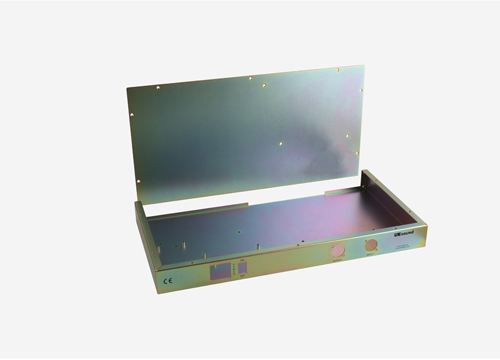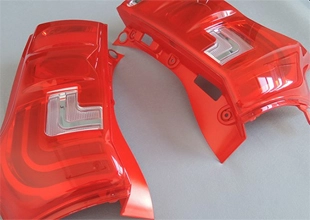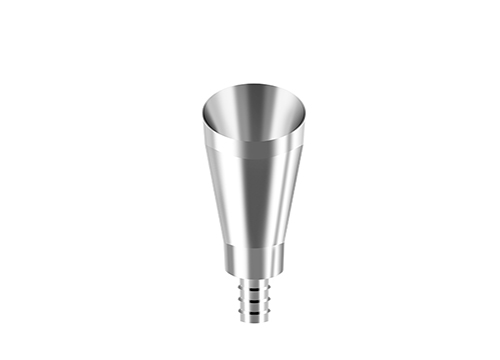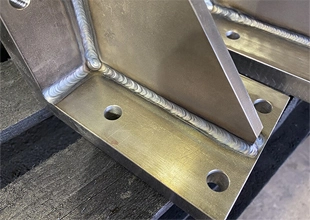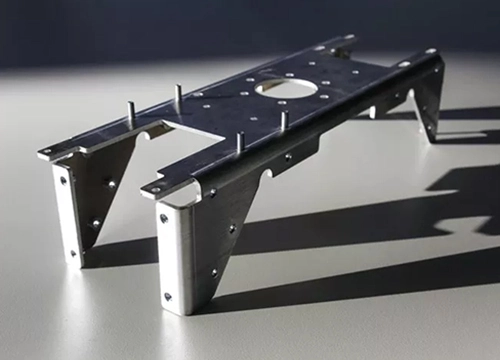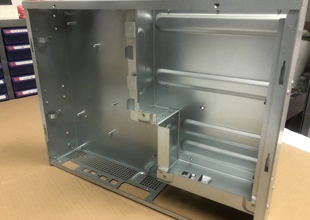

Weldability refers to the ability of materials to be welded into components specified in the design requirements and meet the predetermined service requirements under specified welding conditions. Metals with good weldability are less prone to cracking, porosity, and slag inclusion defects in welded joints, and have high mechanical properties.
Weldability mainly includes: use weldability, process weldability, metallurgical weldability, and thermal weldability.
Several material properties influence a metal’s weldability:
Melting point
Thermal conductivity
Coefficient of thermal expansion
Electrical conductivity
Chemical composition (especially carbon content)
Tendency for oxidation or contamination

Here we focus on analyzing material factors(Stainless steel, aluminum and carbon steel).
1. Mild Steel / Carbon Steel
Weldability: Excellent
Mild steel (low carbon steel) is one of the most weld-friendly metals available. It melts uniformly, has a relatively low carbon content (less than 0.3%), and produces strong welds with minimal risk of cracking.
Welding methods: MIG, TIG, Stick (SMAW)
Tips: Preheating usually not required unless thick sections
Applications: Structural components, automotive, general fabrication
2. Stainless Steel
Weldability: Good (with considerations)
Stainless steel is weldable, but precautions must be taken due to its high thermal expansion and low thermal conductivity, which can lead to warping and distortion. There are three main types:
Austenitic (304, 316): Most weldable; commonly used.
Ferritic (430): Moderate weldability; risk of grain growth.
Martensitic (410): Poorer weldability due to brittleness.
Welding methods: TIG and MIG preferred for cleaner results.
Tips: Use stainless steel filler rods, manage heat input to prevent carbide precipitation.
3. Aluminum and Aluminum Alloys
Weldability: Moderate to Difficult
Aluminum is light and corrosion-resistant, but it presents challenges:
Forms a tough oxide layer (melting point ~2000°C vs. aluminum’s 660°C)
Highly conductive — dissipates heat quickly
Prone to porosity and cracking if not cleaned properly
Welding methods: TIG (preferred), MIG for thicker parts
Tips: Use AC TIG with cleaning action, pre-clean thoroughly, preheat for thick sections.
4. Galvanized Steel
Weldability: Fair (with caution)
Galvanized steel has a protective zinc coating which, when heated, can release toxic fumes and cause weld defects if not removed.
Welding methods: MIG, Stick (with flux).
Tips: Always grind away zinc layer before welding; ensure proper ventilation.
Poor weldability doesn't mean it's unweldable; it just requires more control measures.
Preheating/post-heat treatment: Reduce cooling rates to prevent cracks (cast iron, high-strength steel).
Use special welding wire or electrodes: For example, nickel-based electrodes for cast iron.
Gas shielding: For example, titanium alloys require argon gas throughout the process.
Clean surface oxides: Aluminum and galvanized steel must be pre-ground or chemically treated.
Use alternative joining methods: For extremely difficult-to-weld materials, use mechanical riveting or gluing.
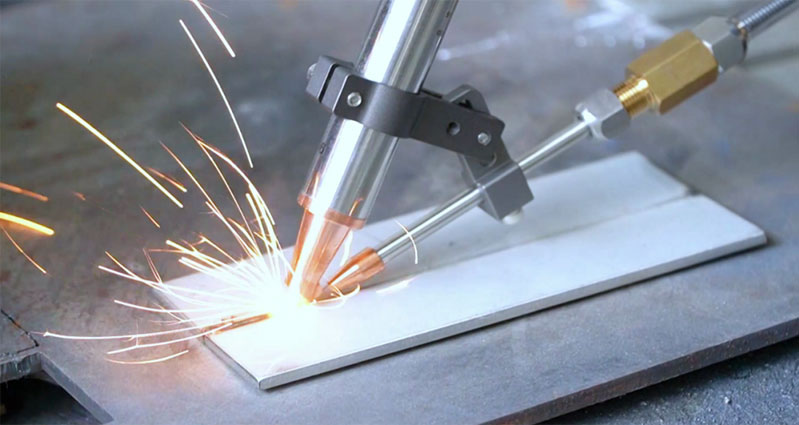
Select appropriate welding wire and electrodes, and follow recommended current and voltage.
Keep the parts surface clean, oil-free, and rust-free.
Use high-quality shielding gas (such as argon or mixed gas).
Monitor the temperature of the heat-affected zone and control cooling.
Perform regular nondestructive testing (such as ultrasonic, X-ray, and magnetic particle testing).

 English
 日本語
日本語 français
 Deutsch
 Español
 italiano
 русский
 português
 Svenska
 Ελλάδα
 Nederland