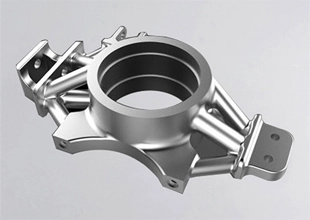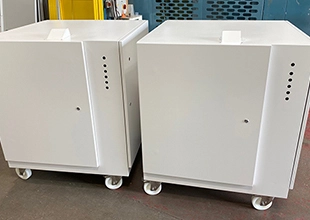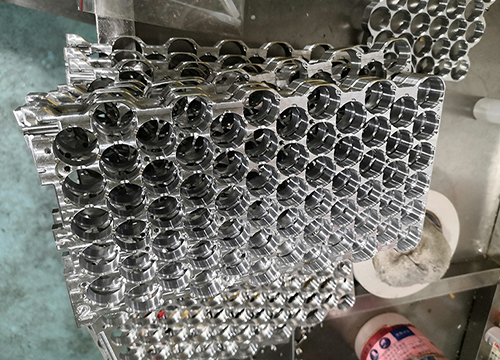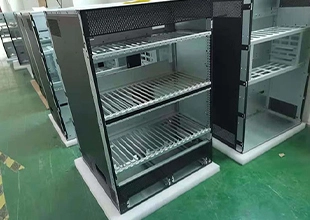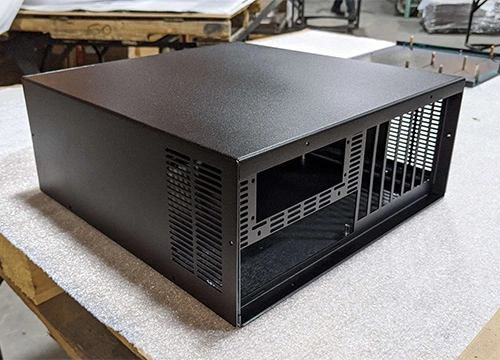

In modern engineering and product manufacturing, the sheet metal chassis serves as the structural backbone that defines both stability and performance. Designed with precision, it forms the core housing for electrical systems, mechanical assemblies, and electronic components. The evolution of sheet metal chassis technology reflects the growing need for durability, lightweight construction, and dimensional accuracy across industries such as telecommunications, automation, and consumer electronics. Through advanced fabrication processes like laser cutting, bending, and welding, sheet metal components are transformed into highly functional chassis systems that combine strength and precision. The result is not just a protective enclosure but a design that enhances ventilation, accessibility, and component organization—critical for long-term reliability in demanding environments.
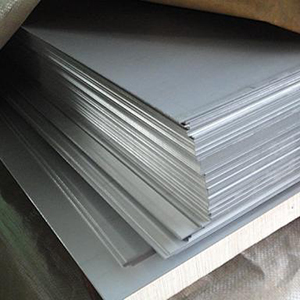
The versatility of the sheet metal chassis lies in its ability to adapt to various industrial applications. From server enclosures and control panels to automotive bodies and communication cabinets, it plays a key role in ensuring both mechanical support and electronic protection. In precision manufacturing, the alignment of every bend and joint must conform to tight tolerances, maintaining the integrity of the overall structure. The use of advanced sheet metals like stainless steel and aluminum ensures resistance to corrosion and wear, extending the lifespan of the chassis in harsh conditions. Additionally, surface finishing techniques—such as powder coating and anodizing—further enhance durability while improving visual appeal. As products become more compact and complex, the sheet metal chassis provides engineers with a reliable solution that balances strength, flexibility, and design freedom.
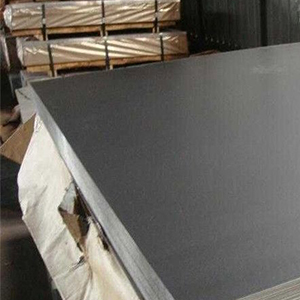
The design of a sheet metal chassis directly affects how a system performs under operational stress. A well-engineered chassis not only supports internal components but also optimizes airflow and heat dissipation. This is especially critical in electronic systems, where overheating can compromise function and safety. The integration of precision cutouts, ventilation slots, and modular compartments allows for efficient cable routing and thermal management. In addition, the rigidity of the sheet metal chassis minimizes vibration, ensuring that sensitive equipment operates smoothly and quietly. Engineers must also consider accessibility during maintenance—designs that allow easy component replacement or wiring adjustments reduce downtime and increase operational efficiency. Every aspect of the chassis design contributes to performance, from material thickness to structural reinforcement, making it an essential factor in achieving system stability and longevity.
The field of sheet metal chassis fabrication continues to evolve with advancements in automation and precision engineering. Computer-aided design (CAD) and computer numerical control (CNC) manufacturing have revolutionized how chassis systems are conceptualized and produced. Digital modeling enables engineers to visualize stress points and optimize designs before fabrication begins, ensuring precision from prototype to final product. Automation enhances repeatability, while robotic welding and laser processing improve consistency in high-volume production. Moreover, sustainable manufacturing practices are being integrated, with an emphasis on material efficiency and recyclability. As the demand for smarter, more compact devices increases, the sheet metal chassis will remain a critical component, continually adapting to meet the structural and environmental needs of modern industries.
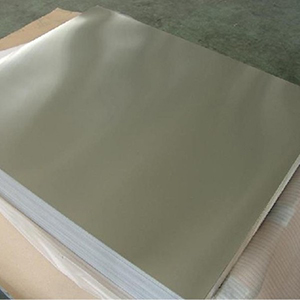
Customization has become an integral part of sheet metal chassis development. Different industries require unique dimensions, mounting solutions, and ventilation systems to fit their specific applications. By leveraging advanced prototyping and flexible manufacturing techniques, engineers can tailor every aspect of a chassis—from internal support layouts to exterior finishes. This design flexibility ensures compatibility with a wide range of hardware configurations and operating conditions. At the same time, maintaining precision and consistency remains essential to achieving high-quality outcomes. The combination of innovative design, reliable fabrication, and material intelligence transforms each sheet metal chassis into more than just a component—it becomes a key contributor to product performance and brand reliability in global manufacturing.

 English
 日本語
日本語 français
 Deutsch
 Español
 italiano
 русский
 português
 Svenska
 Ελλάδα
 Nederland