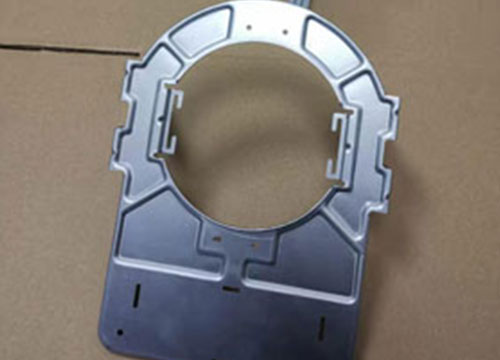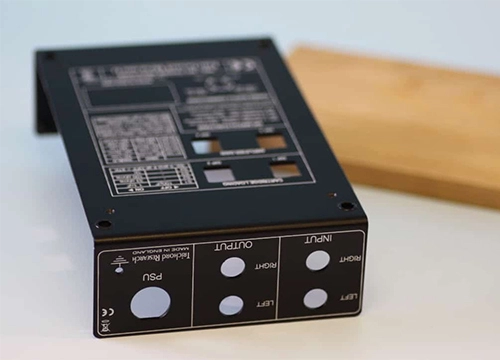

In sheet metal design and manufacturing, sheet metal thickness is one of the key factors affecting structural strength, processing difficulty, appearance quality, cost, and assembly methods. Improper selection not only leads to material waste and increased production costs but may also cause problems such as deformation, vibration, and insufficient load-bearing capacity.
The commonly used thicknesses vary depending on the material. The following are common industry reference ranges:
1. Cold-rolled steel sheet (SPCC / SECC / SGCC)
Common thickness: 0.5–3.0mm
Applications: Chassis, cabinets, internal supports, electrical panels
2. Aluminum alloy (5052 / 6061)
Common thickness: 1.0–5.0mm
Applications: Industrial equipment housings, structural components, heat dissipation modules
Features: Lightweight, good bendability
3. Stainless steel (SUS304 / SUS316L)
Common thickness: 0.5–3.0mm
Applications: Medical devices, food processing equipment, decorative parts
Features: High strength, strong corrosion resistance
1. Structural Strength Requirements (Most Crucial Factor)
If components need to withstand weight, impact, or installation pressure, thicker materials should be selected:
Load-bearing structures: ≥2.0mm
Equipment base plate: 2.0–4.0mm (depending on weight)
Rack frame: Typically 2.0mm or 3.0mm
If it's just for enclosure, protection, or weight reduction, thinner sheets can be used:
House, cover: 0.8–1.2mm
Front panel or door panel: 1.2–1.5mm
2. Equipment Appearance and Design Requirements
Appearance components generally cannot be too thin, otherwise they are prone to: deformation, noise from vibration and oil canning.
typical appearance thicknesses are as follows:
Aluminum casing (anodizing required): 2.0–3.0 mm
Large steel plate panels: 1.2–1.5 mm
3. Processing Limitations
Different processes have different requirements for plate thickness.
Bending
The thicker the plate, the larger the minimum bending radius.
For hard materials (such as stainless steel), bending a 1.0mm thick plate is already quite difficult.
Laser Cutting
Thin plates are cut quickly and without burrs.
Thick plates require higher power and are more expensive.
Welding
Thin plates are prone to burn-through (<1.0mm).
Thick plates are more difficult to control deformation.
Therefore, for parts with complex structures and many bends, 0.8–1.5mm thickness is generally safer. For thin plates that need to be welded, ≥1.0mm thickness is preferable.
For lightweight products (such as medical devices and aerospace components), thinner materials or aluminum alloys are preferred. If portability or weight reduction is required, 0.8mm steel plates can be used instead of 1.0mm, or 1.5mm aluminum plates can be used instead of 1.0mm steel plates.
Thicker Material:
Higher Unit Price
Increased Laser Cutting and Bending Costs
Increased Risk of Welding Deformation
Increased Post-Processing Costs
Therefore, while meeting strength and appearance requirements, the thinnest available material should be selected to reduce costs.
1. Chassis and Rack Types
Outer Shell: 1.0–1.2 mm
Door Panels, Exterior Components: 1.2–1.5 mm
Internal Structural Components: 1.2–1.5 mm
Base Plate or Load-Bearing Components: 2.0–3.0 mm
2. Medical Equipment Outer Shells
Aluminum Outer Shell (Anodized): 2.0–3.0 mm
Internal Brackets: 1.2–2.0 mm
Front Panel: 1.5–2.0 mm
3. Automated Equipment Structural Components
Packets, Brackets: 2.0–4.0 mm
Reinforcing Beams: 3.0 mm
4. Consumer Electronics and Small Cabinets
Outer Shell: 0.6–1.0 mm
Internal Partitions: 0.8–1.2 mm
Choosing the right sheet metal thickness is one of the most critical decisions during the design phase.The correct thickness not only ensures structural reliability and aesthetic appeal but also significantly reduces costs and improves production efficiency.
In actual projects, a comprehensive assessment should be made considering structural strength, appearance requirements, processing technology, weight, cost, and industry standards. The optimal version should be further determined through sample verification and process optimization.

 English
 日本語
日本語 français
 Deutsch
 Español
 italiano
 русский
 português
 Svenska
 Ελλάδα
 Nederland