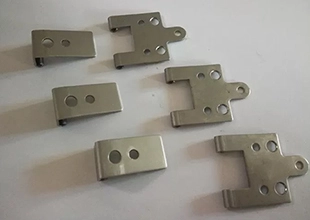

Anodizing, electrochemical oxidation of metals or alloys. The process in which aluminum and its alloys form an oxide film on aluminum products (anodes) under the action of an external current under corresponding electrolytes and specific process conditions. Anodizing, unless otherwise specified, usually refers to sulfuric acid anodizing.
In order to overcome the defects of surface hardness and wear resistance of aluminum alloys, expand their application scope, and extend their service life, surface treatment technology has become an indispensable part of aluminum alloy use, and anodizing technology is the most widely used and successful.
Anodizing is accomplished through an electrochemical process. In the anodizing process, the metal (anode) acts as the positive electrode, while the cathode (usually made of lead or stainless steel) is connected to the negative terminal of the power supply. Electrolytes (usually sulfuric acid) act as mediators for electrochemical reactions.
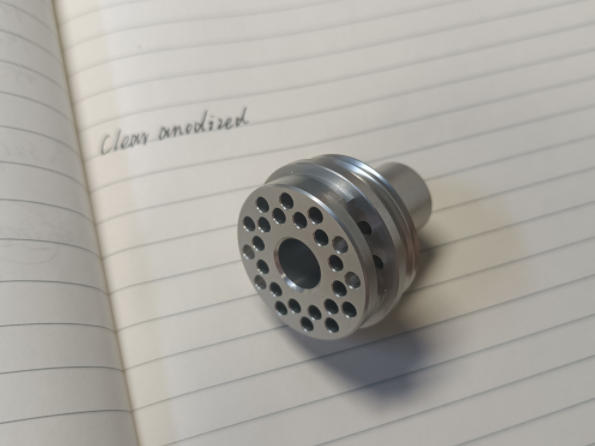
When current flows through the electrolyte, oxygen ions are released on the anode surface. These ions combine with metals to form a layer of metal oxide, mainly aluminum oxide (Al2O3). This oxide layer is an indispensable part of the metal, which can improve hardness, wear resistance, and corrosion resistance.
Preparation
Thoroughly clean metal objects (usually aluminum) to remove dirt, oil, or pollutants from their surfaces. This ensures proper adhesion of the oxide layer.
Anodizing tank
Immerse a metal object into an electrolytic solution, usually a sulfuric acid solution. This solution acts as an electrolyte and promotes the flow of electric current.
Electrical settings
Metal objects act as the anode (positive electrode) in a circuit, while the cathode (negative electrode) is also placed in the electrolyte. Both electrodes are connected to a direct current (DC) power source.
Oxidation
When current passes through the electrolyte, oxygen ions are released on the surface of the anode (metal object). These ions react with metals (usually aluminum) to form aluminum oxide (Al2O3). The oxide layer grows on the metal surface and gradually thickens over time.
Formation of anode thin film
-The layer formed during the anodizing process of alumina is porous, and if coloring is required, it can absorb dyes or pigments. This step is optional and is typically used for decorative purposes.
Sealing
After reaching the desired thickness of the anodized layer, remove the metal object from the electrolyte. In order to improve the durability and corrosion resistance of the oxide layer, it has been sealed. This involves treating the surface with hot water or chemicals to help close the pores in the oxide layer, making it more resistant to external factors.
Metal anodizing has multiple advantages, making it a popular surface treatment method. Here are some of the main advantages of anodizing:
Enhance corrosion resistance
Anodizing forms a dense protective oxide layer on the metal surface, significantly improving its corrosion resistance. The anode coating acts as a barrier to prevent direct contact between the metal and the corrosive environment, thereby extending the service life of the metal.
Increase hardness and wear resistance
The anodized layer is usually harder than the base metal, providing higher hardness and wear resistance. This makes anodized metal more durable and resistant to scratches, wear, and general abrasion.
The possibility of decoration
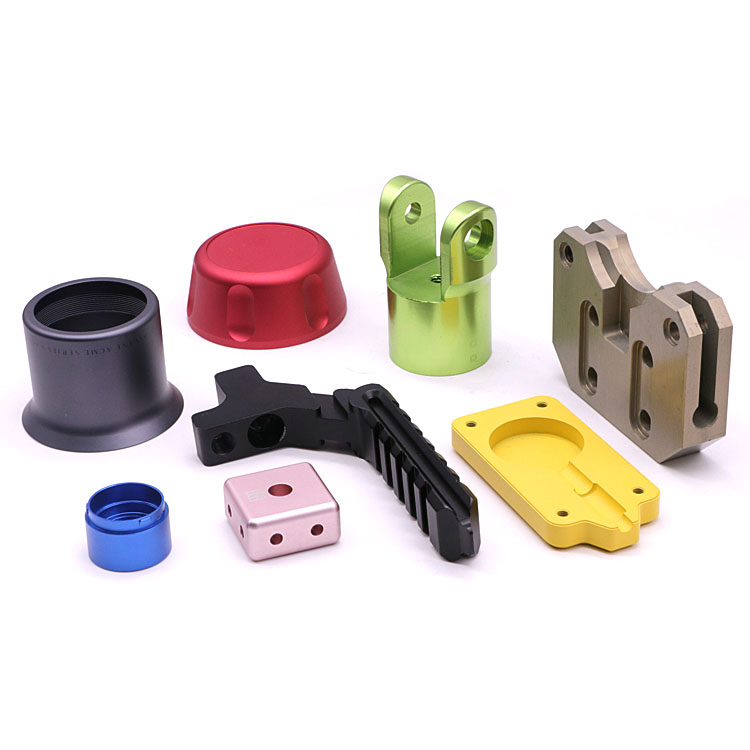
Anodizing allows for multiple color choices and finishes. Anodic coatings can be dyed in various colors or maintain natural colors, providing aesthetic flexibility for architectural, design, and decorative applications. Anodized metals can also have visually appealing, smooth, and uniform surface finish.
Electrical insulation
Anodizing forms an electrically insulating oxide layer on the metal surface. This feature is particularly useful in electrical and electronic applications that require insulation to prevent conduction or interference.
Heat insulation
Anodized coatings can provide a certain degree of insulation, making them suitable for applications that require temperature control or insulation layers.
Dimensional stability
Anodizing has the least impact on the size characteristics of metals, preserving their original size and shape. This is advantageous in applications where precise tolerances and dimensional accuracy are crucial.
Anodizing treatment is very suitable for non-ferrous metals such as aluminum, titanium, and zinc, as it is both wear-resistant and aesthetically pleasing. The flexibility in thickness and appearance (color) makes it an ideal choice for almost all industries that use aluminum alloy components. However, you need to consider some technical factors to achieve the desired surface effect, such as anodizing equipment, electrolyte concentration, current and voltage, treatment time, and bath filtration. Overall, anodizing is your first choice whenever you need customized aesthetics and high performance in harsh environments.

 English
 日本語
日本語 français
 Deutsch
 Español
 italiano
 русский
 português
 Svenska
 Ελλάδα
 Nederland