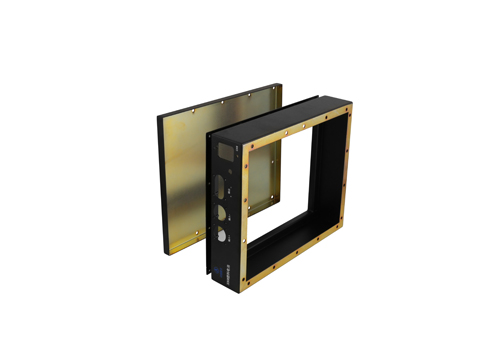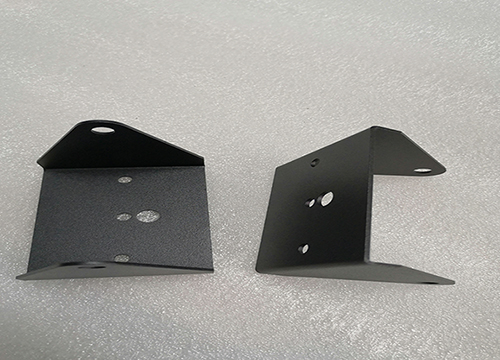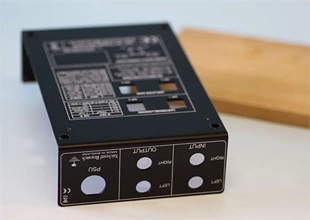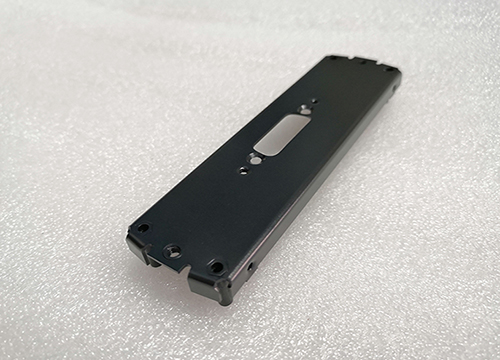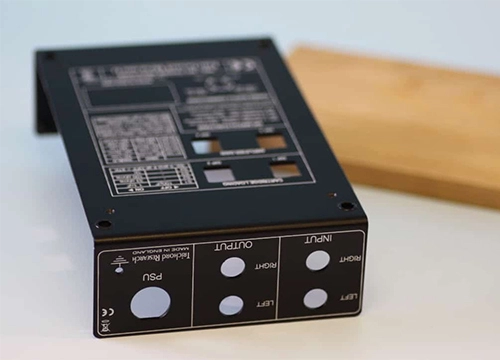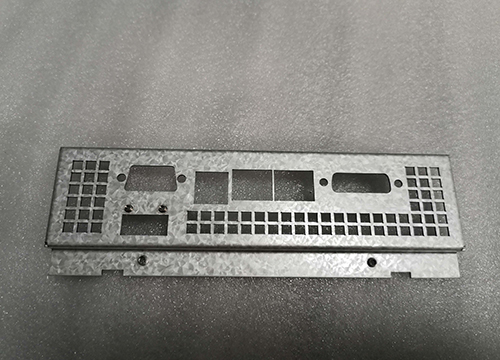

Powder coating is the process of applying powder coating onto the surface of a workpiece using a powder coating device (electrostatic sprayer). Under the action of static electricity, the powder will uniformly adsorb onto the surface of the workpiece, forming a powdery coating; The powder coating undergoes high-temperature baking, leveling, and solidification to become the final coating with different effects (different types of effects of powder coatings); The coating effect of powder coating is superior to that of spray painting process in terms of mechanical strength, adhesion, corrosion resistance, aging resistance, etc., and the cost is higher than that of spray painting process.
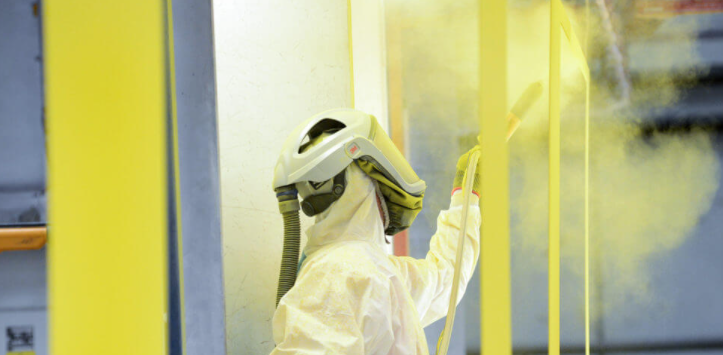
The powder spraying mechanism is divided into different stages, which are crucial for obtaining high-quality coatings. The entire work process can be divided into three steps:
Pretreatment
Application of Powder Coating Methods (Fluidized Bed Application and Electrostatic Spray Deposition)
curing process
1. Preprocessing process
If you want your workpiece to have a smooth and high-quality surface treatment, you need to implement some pre-treatment techniques. Because the presence of dust and grease pigments can affect the coating on the material, the workpiece should be cleaned accordingly.
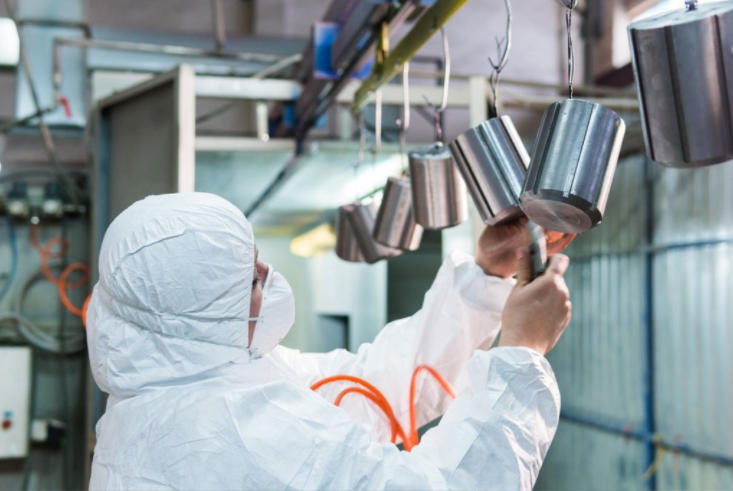
If your workpiece is pre covered with paint, rust, and other debris, then you need to handle it in a sandblasting room. The mechanism of sandblasting room is to use compressed air to blow away all unnecessary debris on the workpiece.
On the other hand, if your workpiece contains oil, grease, or other chemical solvents, it must be cleaned with some chemicals, such as iron phosphate for steel and zinc phosphate for galvanized steel. In addition to these common preprocessing procedures, many other new technologies are now being used, such as using transition metals and other organic metals in formulations with zinc sulfate. These procedures are ideal for reducing costs and can achieve surfaces with low uniformity.
2. Application of Powder Spraying Method
There are also various ways to apply powder coatings, depending on production needs, price range, and material selection. The two most common methods are electrostatic spray deposition and fluidized bed powder coatings.
Electrostatic Deposition (ESD)
In the electrostatic deposition method, charged powder particles are deposited onto the workpiece through an electrostatic process. In the process of electrostatic deposition, the electrostatic charge spray gun, powder feeder, and powder spraying device can be operated manually or through computer numerical control. The electronic spray gun charges the powder through a HIT generator.
When the application starts, the electrostatic spray gun begins to spray negatively charged powder. These charged particles are thrown towards a positively charged grounded workpiece, and due to the presence of electrostatic attraction, they adhere to the surface of the workpiece. The workpiece after powder deposition is heated for a period of time to obtain a smooth surface treatment. In order to produce thicker coatings, the spraying process must be repeated or cycled and adjusted accordingly.
The components of electrostatic powder coatings are widely used in various industries, including automobiles, construction, furniture, and appliances. Compared to traditional liquid coating surface treatments, it has many advantages, including better durability, better resistance to cracking and scratching, and a smoother overall appearance.
Fluidized bed powder coating
Unlike ESD, fluidized bed powder coating is a type of powder coating that uses a fluidized bed to apply powder coating onto a workpiece. The workpiece is placed in a fluidized bed, and powder is applied to the workpiece using a spray gun, followed by solidification of the powder using heat or ultraviolet radiation. Fluidized bed facilitates the uniform distribution of powder on the workpiece, while spray gun ensures the uniform adhesion of powder.
Fluidized bed powder coating is a durable surface treatment that can prevent cracking, scratching, and fading. It is also a low maintenance surface treatment that does not require polishing or waxing.
3. Curing process
Finally, components coated with electrostatic deposition or fluidized bed powder are cured in a curing oven for a few minutes, depending on the requirements of the component, material, and surface treatment. Thick film components require more time than thin film components. Normally, the ideal curing time is 10 to 20 minutes at a temperature of 350-400 degrees. Under these conditions, the powder will melt and present a smooth, high-quality surface.
Powder coating is a dry coating process that uses finely ground pigments and resin particles to give the surface a glossy and consistent finish. It provides a more durable surface treatment than traditional paints and offers a variety of colors and surface treatments to choose from.

Powder coating has a wide range of advantages, which explains its various applications in many industries. The benefits of powder coating finish include:
Durability: Powder coated finishes are renowned for their excellent corrosion resistance and wear resistance. Compared to liquid coatings, powder coated metals typically have higher corrosion resistance. The characteristics of preservatives and wear-resistant agents are that the metal surface treatment process helps to maintain the quality of components for a long time.
Varieties: There are several types of coatings that can be used for powder coatings. Therefore, you can provide a wide range of choices for different applications. You can have different colors or finishes, ranging from high gloss to low gloss and metal finishes.
Less toxicity: Solvent based or liquid coatings typically emit toxic volatile compounds during heating or electrification processes. This will cause serious pollution to the atmosphere and may harm factory workers. However, the amount of compounds released during the powder coating process can be negligible. Therefore, this is a safer process.
Cost effectiveness: The powder spraying process is very simple. It only requires minimal training and cleaning process. Therefore, despite achieving high-quality results, it is still a relatively inexpensive option for precision machining.
Powder coatings have a wide range of applications and are suitable for different types of materials. The most popular powder coating materials include low-carbon steel, stainless steel, aluminum, electroplated or galvanized steel, and many other steel alloys. Other materials include injection molded plastic, brass, copper, etc.

 English
 日本語
日本語 français
 Deutsch
 Español
 italiano
 русский
 português
 Svenska
 Ελλάδα
 Nederland