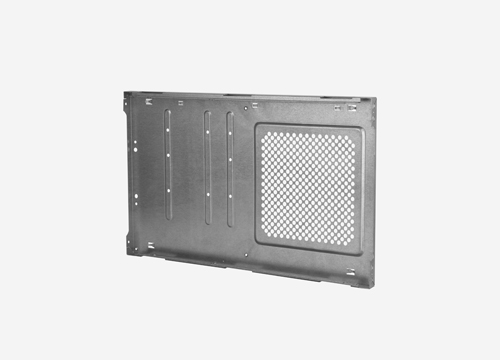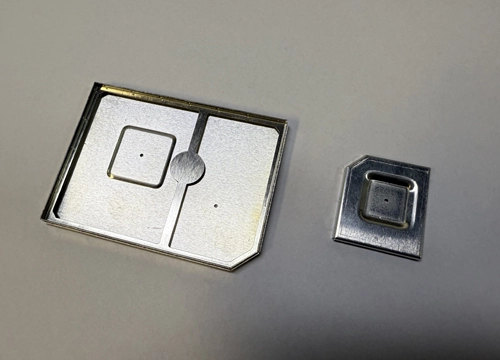

Stainless Steel
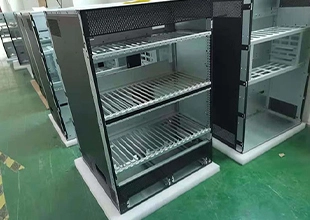
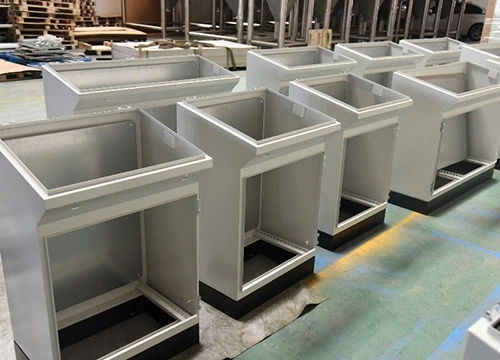
Composition: Composed of iron, carbon, chromium, and nickel, with a chromium content exceeding 10.5%, it forms a dense passive film on the surface, giving it excellent corrosion resistance.
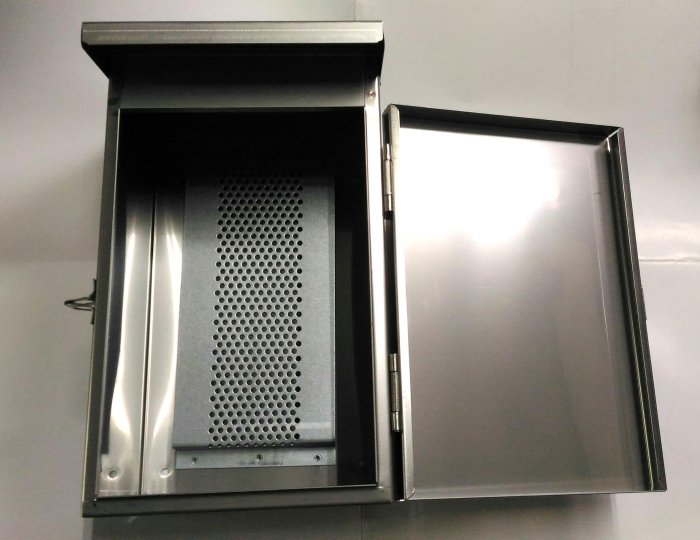
Performance:
High strength and hardness, strong structural stability
Good high-temperature resistance, suitable for harsh environments
Rust-resistant, low maintenance
Limitations: High density, heavy weight, difficult and costly to process
Aluminum
Composition: A light metal often alloyed with elements such as magnesium, silicon, and copper to increase strength.
.jpg "图片2-Aluminum(1).jpg")
Performance:
Low density, only one-third that of stainless steel
Excellent thermal and electrical conductivity, outstanding heat dissipation
Excellent formability, suitable for complex processes such as stamping, CNC machining, and drawing
Can be anodized to achieve a variety of colors and textures
Limitations: Less strong and wear-resistant than stainless steel, and more prone to scratching.
1. Strength and Durability
Stainless Steel Chassis: Offers higher impact resistance and hardness, suitable for high-load scenarios.
bRelatively lower strength, but alloying treatments can meet most applications.
2. Corrosion Resistance
Stainless Steel Chassis: The passivation film provides excellent rust resistance, making it particularly effective in humid and chemical environments.
Aluminum Chassis: The natural oxide film provides excellent protection, and anodizing further enhances corrosion resistance.
3. Thermal Conductivity and Heat Dissipation
Stainless Steel Chassis: Poor thermal conductivity makes it unsuitable for devices requiring high heat dissipation.
Aluminum Chassis: Excellent thermal conductivity, commonly used in electronics, communications, and battery housings.
4. Appearance and Surface Finish
Stainless Steel Chassis: Available in brushed, mirrored, or electropolished finishes, it offers a premium look.
Aluminum Chassis: Available in anodized, electrophoretic, and sandblasted finishes, it offers a wide range of color options and greater design flexibility.
Stainless steel: With a density of approximately 7.9 g/cm³, the overall chassis is heavier, making it difficult to carry and install, but it offers excellent stability.
Aluminum: With a density of approximately 2.7 g/cm³, only one-third that of stainless steel, it offers significant lightweight advantages, making it suitable for portable devices and weight-sensitive applications.
Stainless Steel Chassis: Material costs are higher, processing is more difficult, and welding and surface treatment requirements are more demanding. Advantages include a long service life and low maintenance, making it suitable for long-term investment.
Aluminum Chassis: Relatively low material price, excellent processing performance, and high manufacturing efficiency. However, its wear resistance and strength are inferior to stainless steel, and additional design may be required to compensate.
Stainless steel chassis are more suitable for:
Medical equipment enclosures (corrosion-resistant, easy to clean)
Food processing equipment (rust-resistant, anti-contamination)
Industrial electrical cabinets (high load-bearing and durability requirements)
Aluminum chassis are more suitable for:
Consumer electronics enclosures (lightweight, aesthetically pleasing, and multi-color)
Communications and data center chassis (excellent heat dissipation)
Portable testing equipment (lightweight)
Stainless steel chassis emphasize strength, corrosion resistance, and durability, making them the preferred choice for industrial and medical applications.
Aluminum chassis excel at lightweighting, heat dissipation, and aesthetics, making them suitable for the electronics, communications, and consumer sectors.
When selecting the right material, consider the operating environment, functional requirements, and budget to arrive at the optimal decision. At HSJ, a reliable name in China aluminum sheet metal fabrication, we provide expert guidance and high-quality solutions to help customers make the best choice for their projects.

 English
 日本語
日本語 français
 Deutsch
 Español
 italiano
 русский
 português
 Svenska
 Ελλάδα
 Nederland