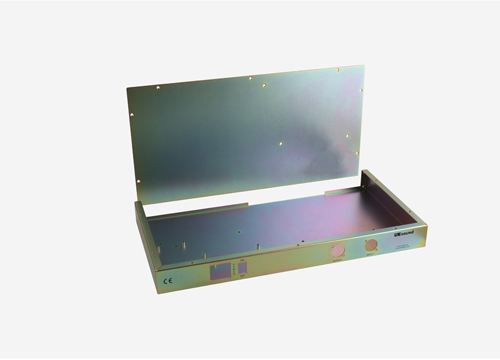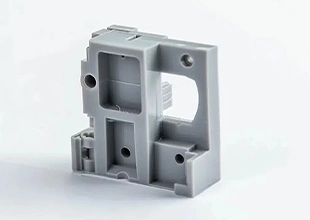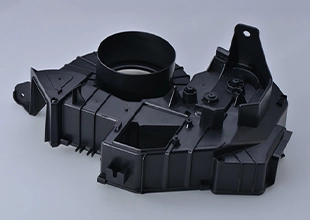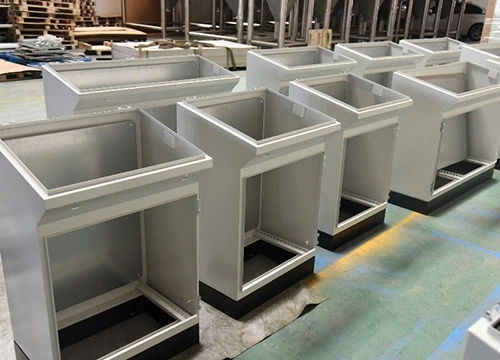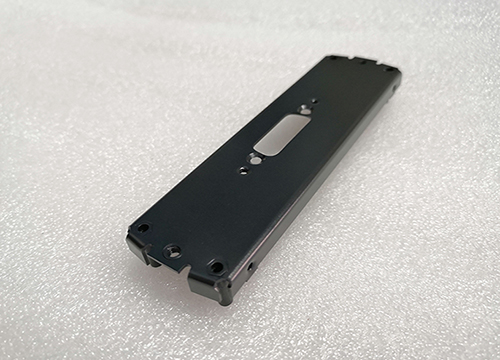

In hospitals, laboratories, and various medical institutions, nearly all high-end medical equipment—such as X-ray machines, operating tables, ventilators, and biochemical analyzers—is made of stainless steel. This isn't just for a clean look; it's also driven by comprehensive considerations of safety, functionality, and durability.
Stainless steel is an iron-based alloy material with excellent corrosion resistance and strength. It is mainly composed of iron, chromium (≥10.5%), nickel, and other elements. The addition of chromium forms a dense passivation film on the surface, effectively preventing oxidation and rust.
1. Strong corrosion resistance
Medical facilities frequently require disinfection with chemicals such as alcohol, hydrogen peroxide, and chlorinated disinfectants. Stainless steel, particularly medical-grade 304 or 316 stainless steel, effectively resists these chemicals and remains resistant to rust or corrosion over time.
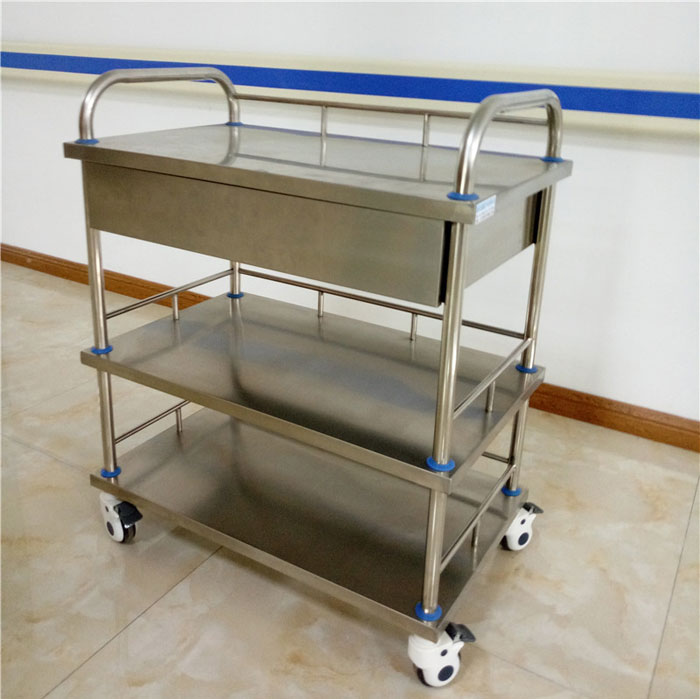
In contrast, ordinary steel can last for a while after powder coating, but after prolonged use in hospital environments, it can peel, oxidize, and even contaminate the equipment's interior.
2. Easy to Clean and Sterilize
Stainless steel's smooth surface resists dirt and stains, making it easy to clean and sterilize. Many stainless steel grades can be sterilized using high-temperature and high-pressure methods, ensuring the hygienic safety of medical devices.
3. Sturdy and durable construction
Medical devices often have delicate internal structures and require a certain load-bearing capacity. Stainless steel casings offer excellent impact resistance and strength, effectively protecting the device's core systems from damage caused by impacts and external pressure.
4. Aesthetically pleasing surface
Stainless steel has a natural metallic luster and texture, and with a simple polishing process, it becomes aesthetically pleasing. Therefore, it is widely used in various medical environments and creates a clean and tidy impression.
5. Biocompatibility:
Stainless steel has excellent compatibility with human tissues and fluids and generally does not cause rejection or infection. This makes stainless steel suitable for use in a variety of implantable medical devices, such as artificial joints and orthopedic fixators.
6. Other Advantages:
Machinability: Stainless steel is easy to cut, weld, and form, allowing it to be manufactured into a variety of complex medical device shapes.
Strength and Toughness: Stainless steel has high strength and toughness, meeting the material requirements of medical devices.
Magnetizable: Some grades of stainless steel are magnetic, making them suitable for medical devices requiring magnetic positioning.
Affordability: Compared to other precious metals, stainless steel is relatively inexpensive, making it more suitable for large-scale production.
1. Suitable for Precision Machining
Stainless steel offers excellent strength and toughness, along with uniform material quality and excellent deformation control, making it suitable for a variety of sheet metal precision manufacturing processes:
Laser Cutting: Provides neat cuts and clean edges, enabling efficient cutting of complex contours and tiny structures.
CNC Bending: Utilizing a variety of methods, including V-grooving, rounding, and flanging, it is suitable for components requiring extremely high precision, such as medical housings and communications chassis.
Stretching and Forming: By controlling sheet thickness and mold design, it enables the forming of special-shaped parts without cracking.
Welding and Polishing: Provides integrated manufacturing capabilities, from structural welding to surface polishing.
2. Excellent welding controllability
Stainless steel offers excellent welding properties and is suitable for a variety of welding methods, including:
TIG (argon arc welding): Suitable for products requiring high aesthetic quality, resulting in beautiful welds.
Laser welding: Low heat input, suitable for precision or small parts.
Spot welding/resistance welding: Commonly used for joining brackets, stiffeners, and housings, providing strong and durable welds.
3. A variety of surface finish options
Stainless steel naturally possesses excellent appearance and corrosion resistance, but different applications require different surface treatments for both appearance and functionality. The following are some common stainless steel surface treatments:
Mirror Polish
Applications: Cleanrooms, laboratories, and medical cleanrooms
Features: Extremely high reflectivity, smooth finish, easy to clean, and sterile.
Advantages: High-end visual quality and a sense of technology, suitable for product display areas.
Brushed Finish
Applications: Housing panels and worktop surfaces
Features: Fine-graining and a smooth feel
Advantages: Effectively hides small scratches, offers high wear resistance, and creates a modern, industrial look.
Electrolytic Polishing / Passivation
Applications: Humid or corrosive environments (such as hospitals and laboratory equipment)
Features: A denser, brighter surface, while also strengthening the passivation film.
Advantages: Significantly improves corrosion resistance, helping to extend equipment life.
HSJ, a reliable stainless steel fabrication China manufacturer, specializes in machining high-quality stainless steel components for medical devices. With precise engineering and strict quality control, we provide durable and dependable solutions that meet industry standards.

 English
 日本語
日本語 français
 Deutsch
 Español
 italiano
 русский
 português
 Svenska
 Ελλάδα
 Nederland