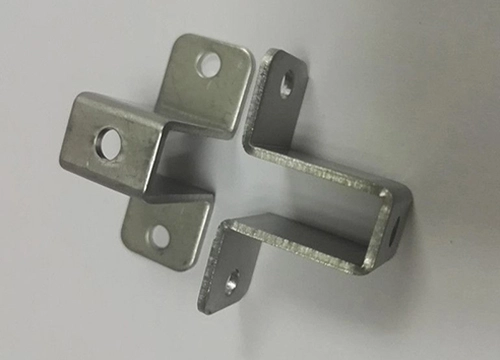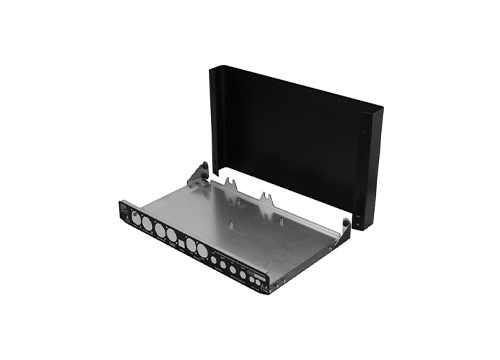

Stainless steel is an alloy containing at least 10.5% chromium. This component is the key to its most prominent feature: corrosion resistance. When in contact with oxygen, chromium appears in the form of a thin and invisible chromium oxide film. This layer is also known as the "passivation layer" because the diffusion of oxygen is restricted, which can protect the underlying metal from further corrosion.
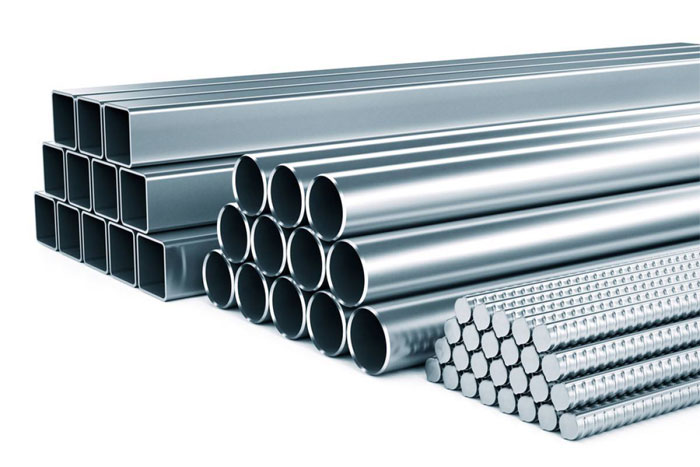
As is well known, stainless steel has multiple grades and different alloy formation methods to maintain its properties. Some common levels include:
304: This grade is one of the most popular grades, known for its excellent corrosion resistance and other mechanical properties, making it easy to form products.
316: Almost identical to 304, but mainly used in environments that may be exposed to chlorides, namely marine environments.
Carbon steel is a combination of iron and carbon, with carbon being the main component. The carbon content is usually between 0.05% and 2.1%, which is crucial in determining the properties of steel. In contrast, carbon steel does not contain too much chromium or other similar elements, so it does not have corrosion resistance like stainless steel.
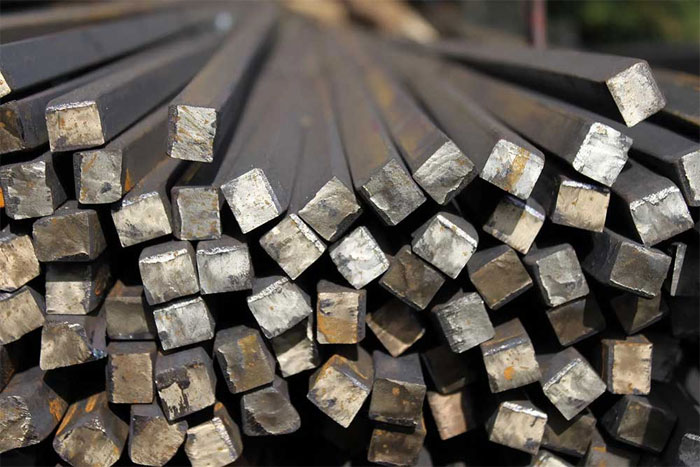
Carbon steel is usually classified based on its carbon content:
Low carbon steel (low-carbon steel): 0.05% to 0.25% carbon
Medium carbon steel: 0.25% to 0.60% carbon
High carbon steel: 0.60% to 2.1% carbon
The increase in carbon content also enhances the strength of steel, making it harder but reducing its ductility.
Corrosion preventive
Stainless steel: In stainless steel, chromium is converted into an oxide layer. If this oxide layer is scratched, it will immediately form and continue to protect the metal from further rusting. This makes it suitable for use in areas with harsh conditions, such as the seaside and chemical companies.
Carbon steel: When chromium is removed from carbon steel, it is more prone to rusting and corrosion. Chromium reacts with water and oxygen to form iron oxide or rust, which weakens the structure of the metal in the long run.
If there are special requirements for the corrosion resistance of the structure, stainless steel material is usually preferred. But if the project does not require high corrosion resistance, but wants to save material procurement costs, carbon steel may be a suitable choice.
Strength and durability
stainless steel: In most cases, its tensile strength is higher than that of carbon steel, which means it has a stronger ability to withstand pressure before it may break.
Compared to carbon steel, it has higher ductility and can bend without breaking.
It has better high-temperature tensile strength than other carbon steels.
The work hardening of stainless steel grades such as 304 and 316 can increase the strength of the material through cold working.
Having excellent strength to weight ratio, it can be used in places where weight is the determining factor.
Carbon steel: In many cases, it has a higher yield strength than stainless steel, so it can withstand greater pressure before fully bending.
Usually stronger than stainless steel, it can withstand wear and tear in certain applications.
Heat treatment can be easily carried out to greatly improve its strength and hardness.
High carbon steel can achieve very high levels of strength, but at the cost of reduced ductility.
Heat resistance
Stainless steel: Any grade of stainless steel undergoes heat treatment due to its high strength and corrosion resistance. Some grades of stainless steel can maintain durability at temperatures up to 2000 ° F (1093 ° C) without significant deterioration. This is because stainless steel should be used in situations where the expected temperature is extremely high, such as furnaces, engine components, etc.
Carbon steel: Although carbon steel material is suitable for high temperatures, its heat resistance is lower than stainless steel. High temperature applications may weaken carbon steel materials and make them more prone to oxidation when used on carbon steel. However, several heat-treated carbon steels can withstand this performance at moderate high temperatures.
When choosing the appropriate materials for your project, it is safer to choose the stainless steel option in places with extreme temperatures, especially in areas where corrosion may occur. For medium temperature operation, carbon steel can complete the work at a more reasonable price than alloy steel.
Cost comparison
Stainless steel: Firstly, these materials are more expensive than ordinary carbon steel because the cost of alloying elements is higher. However, due to its durability and the lack of frequent maintenance and/or replacement, the cost is lower when used in corroded areas.
Carbon steel: They typically have lower costs in the initial stages of a project or development. Therefore, it is suitable for use in situations where corrosion does not become a major issue or can be maintained regularly. But when it is exposed to corrosive environments, it incurs significant costs in terms of maintenance, replacement, and failure modes.
Please do not forget that material costs also include manufacturing, installation, maintenance, and even replacement costs. In terms of cost, although the cost of stainless steel is relatively higher than that of carbon steel in the initial stage of the project, in the long run, the cost of stainless steel is lower.
The choice between stainless steel and carbon steel depends on your specific needs. Some factors that should be considered may include corrosion resistance, strength, manufacturing methods, and long-term costs. Each material has its advantages and disadvantages, and which material is most ideal for use will have a significant impact on your task.

 English
 日本語
日本語 français
 Deutsch
 Español
 italiano
 русский
 português
 Svenska
 Ελλάδα
 Nederland