
What surface treatments can be done on metal parts to achieve insulation effect?
In the fields of electronics, electrical, and industrial manufacturing, metal parts often require electrical insulation to avoid short circuits, electrical leakage, and safety accidents. Through different surface treatment processes, an insulating layer can be formed on the metal surface, thus balancing mechanical strength and electrical safety.
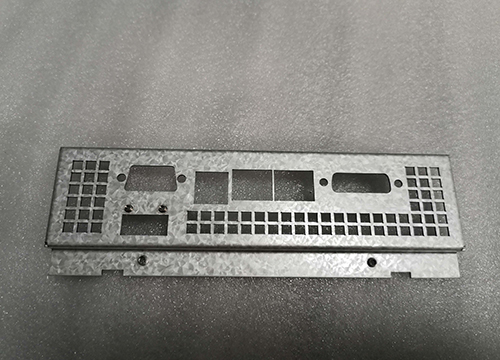
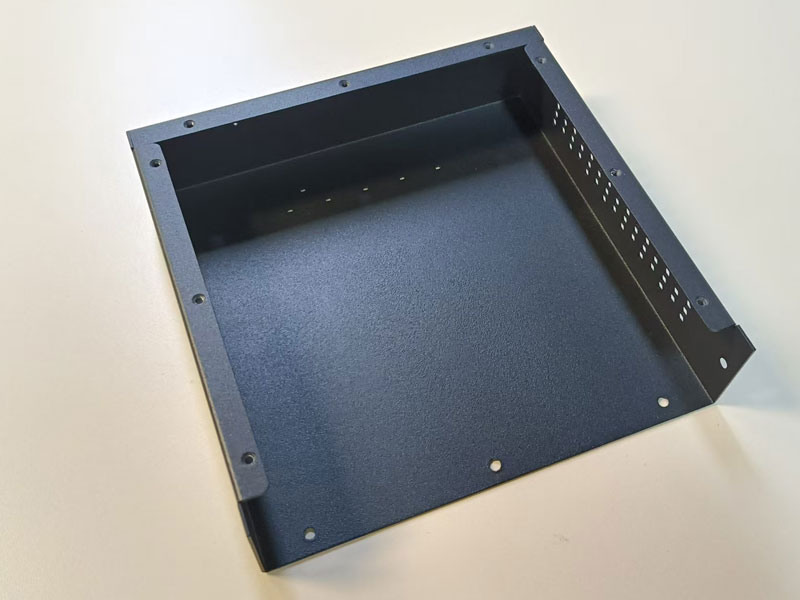
Spray thermosetting insulation powder (epoxy, polyester, etc.) using the principle of electrostatic adsorption, and form a dense and uniform insulation coating after heating and curing.
Advantage
Large coating thickness (60-120 μ m), good insulation and voltage resistance
Corrosion resistant and scratch resistant
Rich surface appearance (multiple colors, gloss)
Environmentally friendly solvent-free
Disadvantage
Limited coverage for complex shaped holes and slots
Strict pre-treatment requirements (thorough removal of oil and rust)
Once locally damaged, insulation may be lost
Typical applications
Electrical casing, chassis rails, electrical accessories
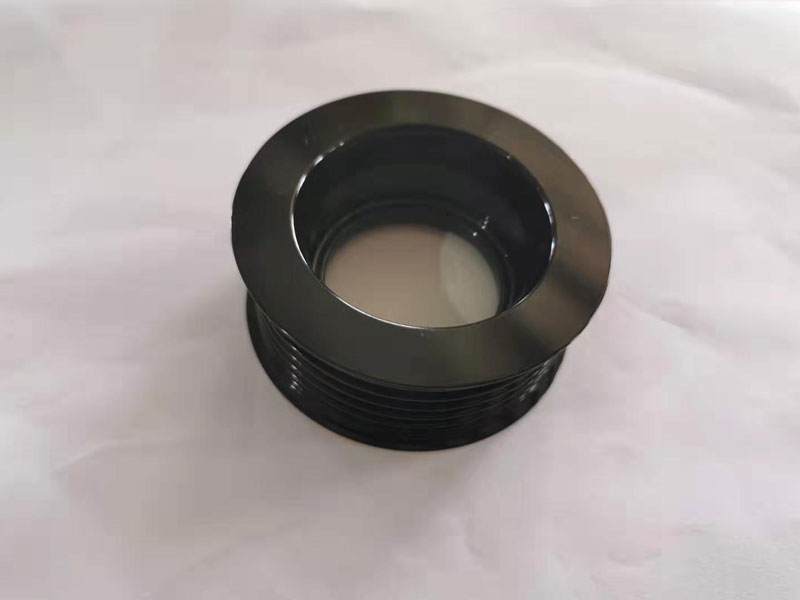
The metal parts are subjected to direct current in the electrophoresis tank, and the insulating resin is uniformly deposited and attached.
Advantage
Uniform membrane layer and strong permeability
Good coverage of complex structures and pores
High degree of production automation and efficiency
Disadvantage
The weather resistance is average, and subsequent spraying is needed to improve corrosion resistance
The membrane layer is relatively thin (15-30 μ m)
The cost of investing in equipment is relatively high
Typical applications
Automotive parts, power tool components, small hardware components
process description
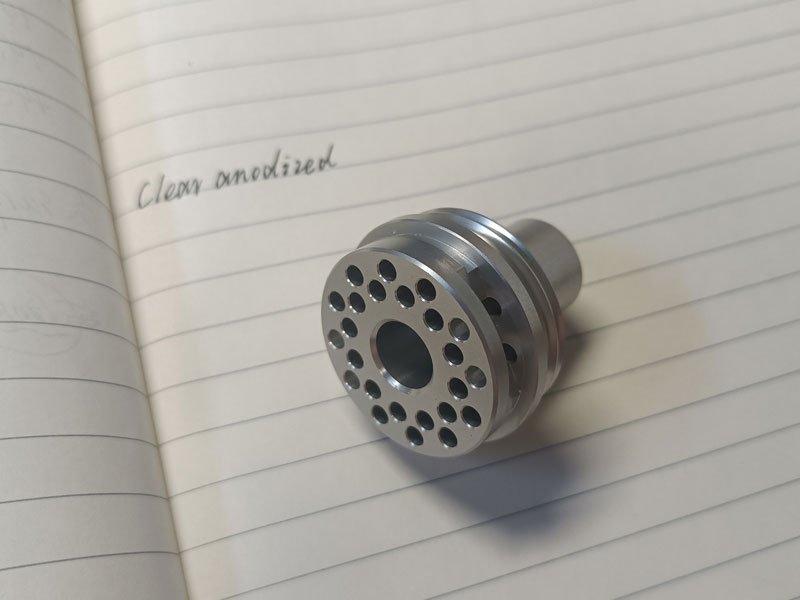
Mainly used for aluminum, it generates an aluminum oxide layer through electrochemical reactions.
Advantage
The oxide film has high hardness and good insulation properties
Corrosion resistant and wear-resistant
flaking
Disadvantage
Only applicable to aluminum and its alloys
Thin film layer (ordinary anodizing<20 μ m) requires thickening process
Easily corroded by alkaline substances in certain environments
Typical applications
Aluminum shell, heat sink, electrical bracket
After preheating, the metal is immersed in PVC or PE powder and melted to form a closed coating.
Advantage
High coating thickness (200-500 μ m) with outstanding insulation properties
Soft surface feel
Impact resistant and moisture resistant
Disadvantage
Easy to age and deform in high temperature environments
Limited color selection
Preheating equipment is required for the process
Typical applications
Tool handle, cable bracket, protective sheath metal parts
Spray insulation type epoxy, polyurethane or silicone resin paint, and form a thin film after curing.
Advantage
Flexible and applicable to complex geometric shapes
Convenient construction and simple maintenance
Suitable for small batches or repairs
Disadvantage
Thin film layer (20-50 μ m) is prone to wear and tear
Solvent based paint has poor environmental friendliness
Durability depends on the type of paint and curing process
Typical applications
Motor iron core, electrical components, coil skeleton
Insulation films such as polyimide (PI) and polyester (PET) are bonded or heat pressed together.
Advantage
High temperature resistance and high insulation voltage (thousands of volts)
Thickness controllable (tens to hundreds of micrometers)
Repackable and replaceable
Disadvantage
Multiple manual operation processes
The adhesive layer may fail in humid environments
High cost
Typical applications
High frequency circuit base, medical equipment components
High temperature plasma arc sprays ceramic materials such as alumina onto metal surfaces.
Advantage
Excellent insulation performance
High temperature resistance and chemical corrosion resistance
High hardness and wear resistance
Disadvantage
Complex process and high cost
The coating is brittle and prone to cracking
Not suitable for flexible applications
Typical applications
Electric heating components, insulation flanges, high-temperature electrical components

 English
 日本語
日本語 français
 Deutsch
 Español
 italiano
 русский
 português
 Svenska
 Ελλάδα
 Nederland