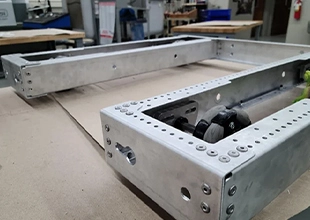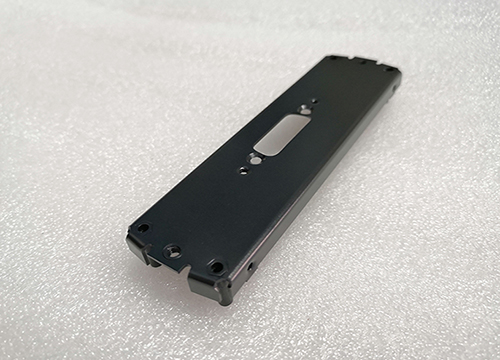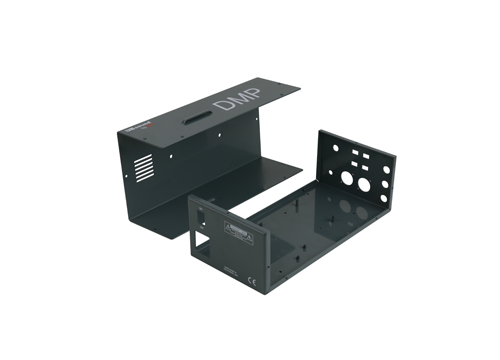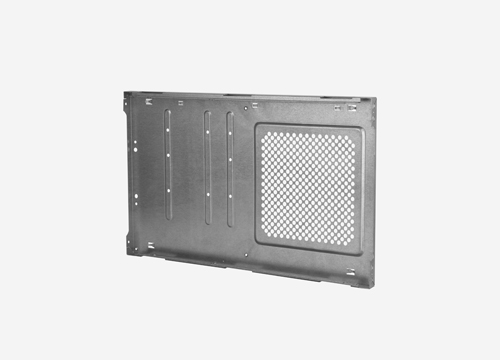

Before starting fabrication, OEM buyers should define enclosure requirements, material selection, mechanical interfaces, manufacturing tolerances, and compliance expectations. A well-prepared design package helps reduce production delays, improve assembly accuracy, and control costs during medical sheet metal fabrication projects.
For medical devices, the enclosure is not only a protective shell. It supports equipment reliability, safety, thermal management, cleaning requirements, and long-term operation.
Before working with a supplier, OEM teams should clearly define the enclosure’s functional requirements and manufacturing expectations.
Key information includes:
Equipment dimensions and installation environment
Internal component layout and mounting points
Required protection level and durability
Weight limitations and portability requirements
Cleaning and sterilization requirements
Production volume and expected product lifecycle
A professional medical equipment fabrication partner should review the design from a manufacturing perspective and identify potential issues before production begins.
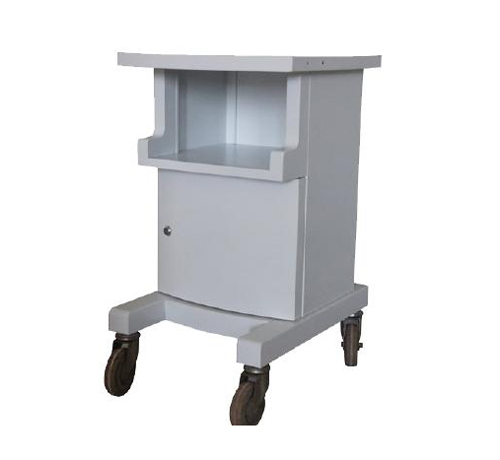
Material choice directly affects strength, weight, corrosion resistance, and appearance. Common materials used for medical enclosures include stainless steel, aluminum, and cold-rolled steel.
Selection depends on application requirements:
Stainless steel: suitable for environments requiring corrosion resistance and frequent cleaning
Aluminum: ideal when lightweight structures and good thermal performance are needed
Steel: commonly used for strong and cost-effective equipment housings
Surface finishing also plays an important role. Powder coating, anodizing, brushing, and other treatments can improve appearance, durability, and resistance to wear or chemical exposure.
Proper enclosure design must consider airflow, cable routing, and component accessibility.
Important design points include:
Ventilation openings for heat dissipation
Cutouts for displays, connectors, and control panels
Internal brackets and mounting structures
Cable management paths
Service access requirements
Poor opening placement can affect cooling performance, increase assembly difficulty, or create electromagnetic interference issues.
During medical sheet metal fabrication, experienced manufacturers can recommend design adjustments to improve manufacturability while maintaining equipment performance.
Not every dimension requires the same tolerance level. Critical areas should receive greater attention, especially:
Component mounting locations
Panel alignment points
Door and cover fitting areas
Connector openings
Interfaces with other assemblies
Overly tight tolerances may increase machining and fabrication costs, while insufficient control can create assembly problems.
A qualified supplier should help determine practical tolerances based on fabrication methods such as laser cutting, CNC bending, welding, and machining.
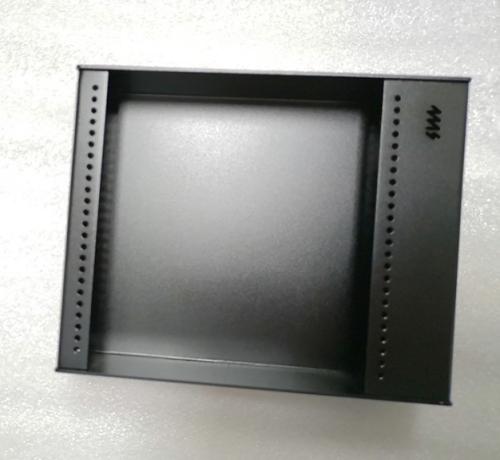
Prototype validation is an important step before mass production. It allows OEM teams to confirm:
Overall enclosure dimensions
Component installation accuracy
Assembly process
User access and operation
Surface finish appearance
A prototype also helps identify design problems that may not appear in CAD models.
Working with a supplier experienced in medical enclosures allows faster design adjustments before investing in production tooling or larger manufacturing runs.
A complete RFQ helps suppliers provide accurate pricing and production recommendations.
OEM buyers should include:
2D engineering drawings and 3D CAD files
Material specifications
Surface finishing requirements
Annual quantity and forecast volume
Assembly requirements
Inspection standards
Packaging and delivery expectations
The more complete the information, the easier it is for a supplier to evaluate manufacturing requirements and provide a realistic quotation.
Stainless steel, aluminum, and coated steel are widely used because they provide different advantages in strength, corrosion resistance, weight, and cost. The best choice depends on the equipment environment and performance requirements.
Look for a supplier with experience in precision sheet metal processing, quality control systems, prototype support, and experience handling medical industry requirements. Manufacturing capability and engineering communication are critical factors.
Design review helps identify manufacturing risks, reduce modification costs, and ensure the enclosure can be produced consistently. Early collaboration between OEM engineers and fabrication experts improves both quality and efficiency.
Yes. Experienced manufacturers can provide DFM (Design for Manufacturing) feedback, material recommendations, fabrication solutions, and prototype development support to optimize custom medical equipment housings.
A reliable partner for medical sheet metal fabrication should provide more than production capacity. Strong engineering support, consistent quality control, and OEM project experience are essential for developing safe and reliable medical equipment enclosures.

 English
 日本語
日本語 français
 Deutsch
 Español
 italiano
 русский
 português
 Svenska
 Ελλάδα
 Nederland