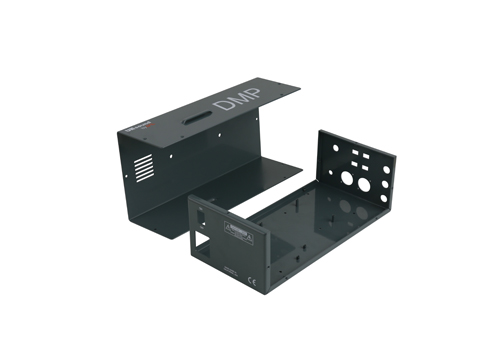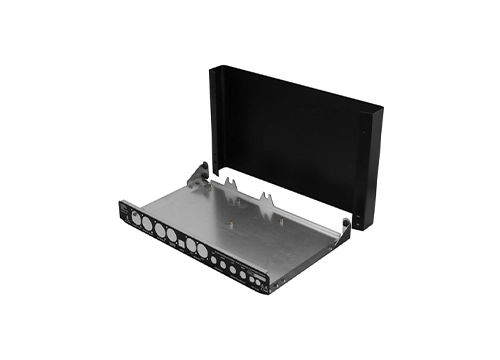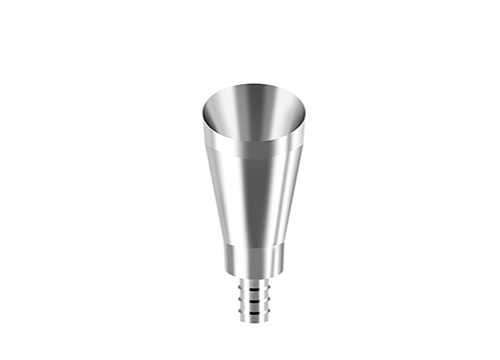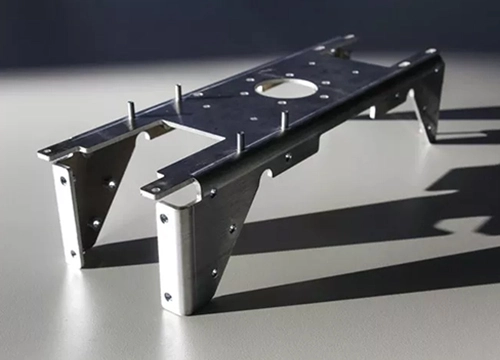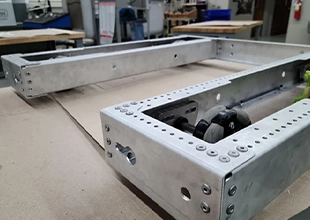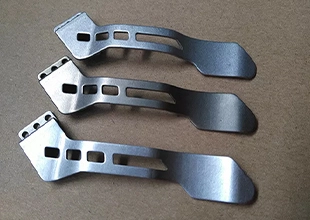

Sheet metal stamping is widely used for manufacturing structural and mounting components in electrical power distribution equipment where repeatability, dimensional consistency, and cost-efficient production are critical. Components such as panelboard stamped parts, brackets, mounting plates, support frames, and enclosure-related metal components can be produced through precision stamping processes when material selection, part geometry, and tooling design are properly considered.
For electrical power distribution applications, successful stamping depends on balancing three factors: forming performance, mechanical durability, and assembly accuracy. The most suitable materials, thickness ranges, tolerances, and inspection requirements should be defined according to the component function rather than selected only by material availability.
Sheet metal stamping is suitable for power distribution components that require consistent shapes, high-volume production, and reliable assembly performance. HSJ Fabrication focuses on stamped sheet-metal components used as structural and functional parts within electrical equipment assemblies, rather than producing electrical elements themselves.
Typical applications include:
| Part type | Design concern | Material | Inspection focus |
|---|---|---|---|
| Panelboard mounting brackets | Maintain accurate hole locations for assembly alignment | Carbon steel, stainless steel, galvanized steel | Hole position, flatness, dimensional accuracy |
| Panelboard stamped parts | Require repeatable forming and stable mechanical support | Cold rolled steel, stainless steel | Bend angle, profile consistency, burr control |
| Electrical enclosure support plates | Need sufficient rigidity while minimizing unnecessary weight | Steel sheet, stainless steel sheet | Thickness consistency, surface condition |
| Internal mounting components | Require precise fit with mating parts | Mild steel, coated steel | Tolerance verification, edge quality |
| Custom stamped metal brackets | Must match customer assembly requirements | Selected according to environment and strength needs | First article inspection and production consistency |
For these applications, power distribution metal stamping provides advantages over manual fabrication methods because progressive stamping and precision forming processes can maintain consistent dimensions across large production quantities.

Material selection directly influences stamping performance, part strength, corrosion resistance, and long-term reliability. In electrical equipment assemblies, sheet metal parts must maintain their shape during installation and operation while remaining suitable for efficient manufacturing.
Common materials used for stamped power distribution components include:
Cold rolled steel: suitable for structural parts requiring good forming performance and dimensional stability.
Stainless steel: selected when improved corrosion resistance or surface durability is required.
Galvanized steel: commonly considered when additional protection against environmental exposure is needed.
Thickness selection should match the mechanical requirements of the part. Thinner sheets can reduce weight and material cost but may require additional forming considerations to prevent deformation. Thicker materials provide increased rigidity but may increase tooling requirements and production complexity.
For precision metal pressings, engineers typically evaluate:
Load requirements during assembly
Required stiffness after forming
Bend radius limitations
Hole and slot deformation risks
Tooling capability for the selected material thickness
A well-designed stamped component achieves the required strength without unnecessary material usage.
Dimensional accuracy is critical because stamped metal parts often connect with multiple components during final equipment assembly. Even small variations in hole locations, bends, or overall dimensions can create installation difficulties.
Important tolerance considerations include:
| Part type | Design concern | Material | Inspection focus |
|---|---|---|---|
| Mounting plates | Accurate interface with other components | Steel or stainless steel | Hole-to-hole distance, overall dimensions |
| Formed brackets | Maintain correct assembly position after bending | Cold rolled steel | Bend angle, height, position accuracy |
| Panelboard support components | Prevent misalignment during installation | Galvanized steel or stainless steel | Flatness and positional tolerance |
| Stamped enclosure parts | Maintain consistent assembly gaps | Sheet metal materials based on application | Profile inspection, dimensional reports |
The required tolerance level depends on the function of the component. Structural support parts may allow wider tolerances, while parts that determine assembly alignment require tighter dimensional control.
HSJ Fabrication applies precision stamping methods to produce repeatable components while considering manufacturability during the design stage.
Surface finish requirements should be defined according to the role of the stamped sheet-metal component. For structural and enclosure-related parts, surface quality primarily affects appearance, corrosion resistance, coating compatibility, and assembly performance.
Key surface considerations include:
Burr reduction after stamping
Smooth edges for safe handling and assembly
Compatibility with subsequent finishing processes
Protection against environmental exposure
When preparing drawings for panelboard stamped parts, customers should clearly specify:
Required surface condition
Acceptable visible marks or scratches
Edge requirements
Coating or finishing expectations if applicable
For HSJ-manufactured stamped components, these requirements should be discussed before production to ensure tooling, material selection, and inspection methods match the final application.
Dedicated stamping tooling becomes economically beneficial when production volume, part complexity, and repeatability requirements justify the initial tooling investment.
Compared with low-volume fabrication methods, stamping offers advantages when:
The same component is produced repeatedly
High dimensional consistency is required
Multiple forming operations can be integrated
Production efficiency is a priority
For example, a customer requiring thousands of identical mounting brackets or power distribution metal stamping components may achieve lower unit costs through dedicated tooling compared with repeated laser cutting and manual forming.
However, tooling decisions should consider:
Expected annual production volume
Part geometry complexity
Material thickness
Required tolerance levels
Future design stability
Early engineering communication helps determine whether progressive tooling, single-operation tooling, or alternative stamping approaches provide the best balance between cost and performance.
Clear inspection requirements prevent production delays and ensure stamped components meet assembly expectations. Before manufacturing begins, customers and suppliers should confirm critical quality information.
Important inspection details include:
| Part type | Design concern | Material | Inspection focus |
|---|---|---|---|
| Stamped mounting components | Confirm functional dimensions | Defined sheet material | Dimensional inspection |
| Formed sheet metal brackets | Ensure repeatable geometry | Customer-approved material | Bend measurement and profile check |
| Custom stamped parts | Match customer drawings | Selected based on application | First article inspection |
| Production stamping parts | Maintain consistency over batches | Same approved material specification | Sampling inspection and process monitoring |
Inspection agreements should define:
Critical dimensions
Acceptable tolerance ranges
Measurement methods
Sampling requirements
Documentation expectations
This information allows manufacturers to establish appropriate production controls before mass manufacturing begins.
Panelboard stamped parts are precision-formed sheet metal components used as structural or mounting elements within panelboard and related electrical equipment assemblies. They are typically produced through stamping processes to achieve consistent dimensions, repeatable geometry, and efficient production.
Stamped electrical enclosure components are commonly manufactured from materials such as cold rolled steel, stainless steel, and galvanized steel. The final selection depends on strength requirements, forming characteristics, environmental conditions, and finishing requirements.
Precision stamping provides consistent part dimensions, efficient production speed, and repeatable quality for large quantities of identical components. It is especially suitable for manufacturers requiring stable supply of custom sheet-metal parts.
Manufacturers control quality through drawing review, material verification, dimensional inspection, first article approval, and production monitoring. Critical features such as hole positions, bend angles, and overall dimensions are evaluated according to customer requirements.
Customers should provide technical drawings, material requirements, thickness specifications, tolerance requirements, production quantities, and inspection expectations. Clear design information helps manufacturers optimize tooling and production processes.
Sheet metal stamping provides an efficient manufacturing solution for structural and mounting components used in electrical power distribution equipment. The performance of stamped components depends on selecting suitable materials, designing practical geometries, controlling tolerances, and establishing clear inspection standards.
For manufacturers sourcing panelboard stamped parts, reliable production depends on more than stamping capability alone. Engineering communication, tooling experience, and quality control processes are essential for producing consistent components that integrate smoothly into final assemblies.
HSJ Fabrication supports OEM customers with custom precision metal pressings and sheet metal stamping solutions designed around specific drawings, materials, and production requirements.

 English
 日本語
 français
 Deutsch
 Español
 italiano
 русский
 português
 Svenska
 Ελλάδα
 Nederland