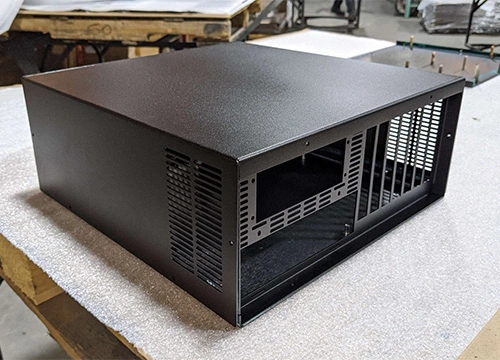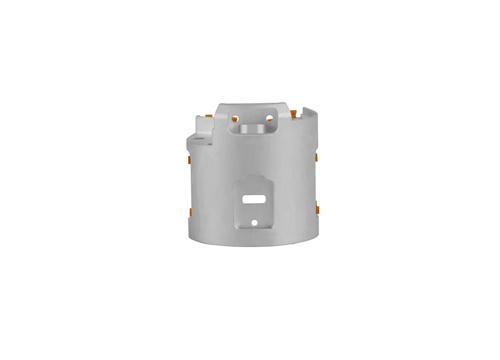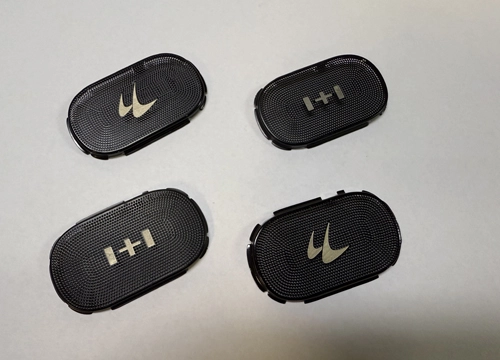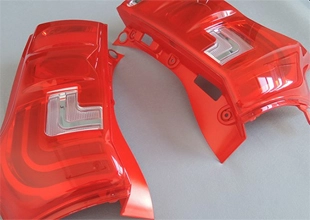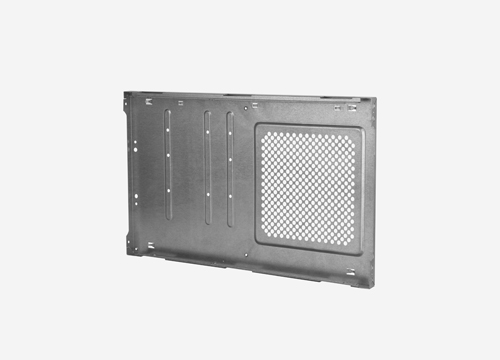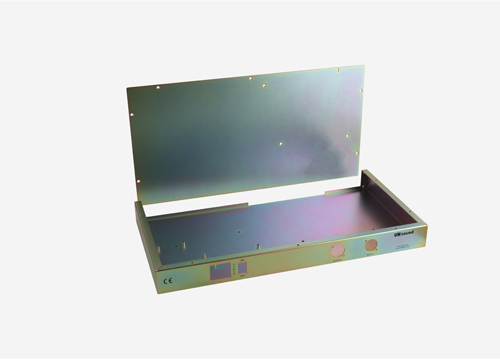

The better manufacturing process depends on part geometry, production volume, tolerance requirements, and cost expectations. Sheet metal fabrication is generally more suitable for prototypes, low-volume production, and parts requiring flexible design changes, while sheet metal stamping is preferred for high-volume production where consistent dimensions and lower unit costs are required.
For OEM buyers, selecting between fabrication and stamping should be based on the complete project requirement rather than only the manufacturing price. A reliable supplier should evaluate material, part complexity, production quantity, and future demand before recommending the most suitable process.
When working with sheet metal stamping parts manufacturers, buyers should understand how stamping compares with other fabrication methods to make better decisions during product development and mass production.
Sheet metal fabrication and stamping both transform metal sheets into finished components, but they use different manufacturing approaches.
Sheet metal fabrication typically combines processes such as laser cutting, bending, welding, and machining to create customized parts. It offers flexibility for different designs and production quantities.
Sheet metal stamping uses dedicated dies and presses to form metal sheets into consistent shapes. It is highly efficient for repeated production where the same component is manufactured in large quantities.
| Manufacturing process | Main characteristics | Best suited for |
|---|---|---|
| Sheet metal fabrication | Flexible processes with minimal tooling requirements | Prototypes, custom parts, low to medium volumes |
| Sheet metal stamping | High-speed production using stamping dies | Large-volume repeated components |
| CNC machining | High precision with material removal | Complex precision features |
| Laser cutting and bending | Fast customization and accurate forming | Customized sheet metal assemblies |
For OEM projects, many manufacturers combine different processes depending on the product stage. Prototypes may begin with fabrication methods, while mature products may transition to stamping for higher production efficiency.
Sheet metal stamping is suitable when production requires repeatability, efficiency, and consistent quality across large quantities.
OEM buyers often consider stamping when:
Annual production volumes are high
Component geometry remains stable
Dimensional consistency is critical
Lower long-term unit costs are required
The same part will be produced continuously
A professional sheet metal stamping parts manufacturer can develop suitable tooling solutions to achieve stable production performance.
Common stamped components include:
| Part type | Design requirement | Suitable process |
|---|---|---|
| Mounting brackets | Repeatable holes and forming features | Stamping |
| Structural metal supports | Consistent shape and strength | Stamping or forming |
| Appliance and equipment components | High-volume identical production | Stamping |
| Industrial sheet metal parts | Stable geometry requirements | Progressive stamping |
For these applications, China sheet metal stamping parts suppliers can provide cost-effective production when tooling investment is justified by order volume.

Sheet metal fabrication is often more practical when design flexibility is more important than high-volume efficiency.
Fabrication is commonly selected for:
Prototype development
Small production batches
Custom industrial components
Products with frequent design updates
Large parts requiring multiple operations
Compared with stamping, fabrication requires less upfront tooling investment. This makes it suitable for OEM customers testing new products or producing limited quantities.
| Project requirement | Recommended process |
|---|---|
| Prototype parts | Sheet metal fabrication |
| Low-volume customized components | Laser cutting and bending |
| Medium-volume production | Evaluate fabrication and stamping options |
| High-volume identical parts | Sheet metal stamping |
Experienced suppliers offering China sheet metal services can help customers determine whether fabrication or stamping provides better overall value.
Tooling cost is one of the most important factors when comparing fabrication and stamping.
Stamping requires dedicated dies, which creates higher initial investment. However, this cost can be distributed across large production quantities, reducing the final cost per part.
Fabrication usually requires less tooling investment but may have higher labor costs for repeated production.
| Factor | Sheet metal fabrication | Sheet metal stamping |
|---|---|---|
| Initial tooling cost | Low | Higher |
| Production speed | Moderate | High |
| Design flexibility | High | Lower after tooling completion |
| Unit cost at high volume | Higher | Lower |
| Suitable production volume | Low to medium | Medium to high |
OEM buyers should consider the total project lifecycle cost instead of only comparing the initial quotation.
The correct process depends on several engineering and commercial factors.
Important considerations include:
| Decision factor | Impact on manufacturing choice |
|---|---|
| Production quantity | Determines whether tooling investment is worthwhile |
| Part complexity | Influences process feasibility |
| Material type | Affects forming and manufacturing methods |
| Tolerance requirements | Determines required process accuracy |
| Product lifecycle | Influences whether flexible or dedicated production is preferred |
For example, a product with frequent engineering changes may benefit from flexible fabrication, while a stable product with thousands of identical units may be better suited for stamping.
A knowledgeable China custom sheet metal stamping supplier should review these factors before recommending a production method.
Choosing the right supplier is as important as choosing the right process. A capable manufacturer should have experience with both fabrication and stamping to provide practical recommendations.
OEM buyers should evaluate:
Manufacturing equipment and capabilities
Engineering support during design review
Tooling development experience
Quality inspection procedures
Production scalability
A supplier that understands both fabrication and stamping can help customers transition from prototype production to mass manufacturing more efficiently.
Sheet metal stamping is commonly used for OEM products requiring repeated production and consistent metal forming.
Typical applications include:
Industrial equipment components
Electrical enclosure parts
Mounting brackets
Structural supports
Custom metal assemblies
For these projects, sheet metal pressing and stamping technologies can improve production efficiency while maintaining consistent component quality.

For high-volume production, stamping is usually more cost-effective because tooling costs are spread across many parts.
Sheet metal fabrication is usually better because it allows faster design changes without expensive tooling.
Consider production volume, design stability, tolerance requirements, and total manufacturing cost.
Yes. Stamping typically requires dedicated dies designed for specific component shapes.
Yes. Many OEM suppliers offer multiple processes to support different production stages.
Sheet metal fabrication and stamping serve different manufacturing needs. Fabrication provides flexibility for customized and lower-volume projects, while stamping delivers efficiency and consistency for large-scale production.
For OEM buyers, selecting the right process requires evaluating product design, production volume, tooling investment, and long-term manufacturing goals. Working with experienced sheet metal stamping parts manufacturers or integrated fabrication suppliers can help ensure the most suitable production strategy.
HSJ Fabrication provides customized china sheet metal services, including sheet metal fabrication, stamping, bending, and precision metal manufacturing solutions designed for OEM industrial applications.

 English
 日本語
 français
 Deutsch
 Español
 italiano
 русский
 português
 Svenska
 Ελλάδα
 Nederland