
A fabricated part can pass final inspection and still arrive with scratches, dents, coating damage or mixed components. Handling and packaging should therefore be treated as part of quality planning, not as an afterthought. Start by identifying vulnerable surfaces and functional features, then choose separators, supports, labels and package restraints to suit the part’s geometry, finish and transport conditions. HSJ Fabrication produces metal components for OEM projects, and clear packaging requirements help protect the finished product between production, shipment and receiving.
Start with the part’s contact points and exposed edges. Thin panels can bend when unsupported; polished or coated surfaces can be scratched by adjacent parts; threaded holes and locating features can be damaged by loose hardware. Identify the surfaces that must remain visible and the features that control assembly.
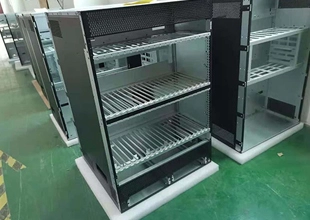
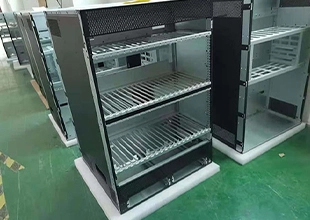
Before packing a sheet metal chassis, identify the surfaces and mounting features most vulnerable to contact, stacking pressure, abrasion or movement inside the package.
A packaging plan should distinguish between cosmetic risk and functional risk. A shallow mark may be unacceptable on a customer-facing surface, while damage to a locating hole or flange can prevent assembly. Use drawings or annotated photos to identify protected areas so production, packing and receiving teams work from the same instructions.

Separators can prevent metal-to-metal rubbing, but they must be compatible with the finish and storage conditions. Protective film may help on suitable surfaces, while foam, paper or other dividers may be more appropriate for different geometries. Confirm that the chosen material will not leave residue, trap moisture or react with the finish.
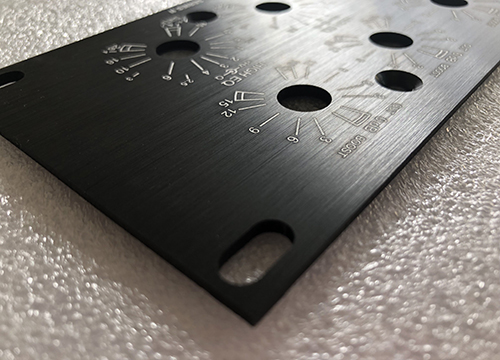
To protect the finished surface, an aluminum parts manufacturer should confirm that separators and protective films are compatible with the selected finish.
For painted, coated, brushed or polished components, identify whether protection should remain in place during transport and when it should be removed. Do not assume a protective film is suitable for every finish or storage duration. If the parts are stacked, the separator should cover likely contact areas and resist shifting during movement.

The package should restrain parts without applying loads that bend panels or damage edges. Use supports where a part can flex, protect corners and prevent heavy items from resting on thin surfaces. Keep loose fasteners and accessories separated so they cannot scratch a finished face.
For cross-border orders, packaging instructions for china ss fabrication suppliers should define labels and separation rules so similar-looking components are not mixed.
For multi-part kits, label bags or compartments by part number and revision. The package should also make the correct orientation clear when a part has a visible face or a fragile feature. If the shipment contains different finishes or similar-looking components, separate them physically and identify each package to prevent mix-ups during receiving and assembly.

Packaging is not only a shipping activity. Parts can be damaged while moving from cutting to bending, welding, finishing, inspection and final assembly. Define where parts should be placed, whether they may be stacked, and which surfaces must not contact racks, fixtures or tools.
Where a part has just been finished, ensure the handling method respects any process-specific cooling, curing or protection requirements. Use clean gloves or handling tools where fingerprints or contamination matter. If damage is repeatedly found at the same stage, investigate the contact point and update the work instruction instead of relying only on additional final inspection.
A receiving check should look for package damage, part count, revision or label mismatch, and visible damage to critical surfaces or features. Record issues with photographs and identify whether the damage is consistent with movement inside the package, external impact, moisture or incorrect stacking. When damage occurs, record its location and pattern, the package orientation, evidence of movement and the condition of separators or supports. Use those observations to revise the restraint or cushioning and check the next shipment against the same criteria. Receiving checks should also verify part identity, quantity and any features that can be damaged without obvious exterior package damage.
Use those findings to improve the packaging design. A successful package should protect the part without creating unnecessary handling effort or making identification difficult. For repeat orders, retain the approved packing method and document any change to separators, box layout, protective film or shipment configuration so the next lot receives the same protection.
Risk | Preventive measure | Check at receiving |
Surface rubbing | Separators or compatible protective film | Scratches, scuffs and coating marks |
Panel bending | Support geometry and controlled stacking | Flatness and edge condition |
Loose hardware | Separate compartments or secured bags | Part count and surface damage |
Part mix-up | Labels with part number and revision | Identity and quantity match |
Parts can rub, shift, bend or contact tools and packaging during handling, storage or transport.
No. Film compatibility depends on the surface finish, storage duration, removal method and risk of residue.
Use separators and supports that prevent contact between visible surfaces and avoid loads that can bend the panels.
It can be included if secured and separated so it cannot scratch the part or become mixed with other components.
Check packaging condition, quantity, part identification, revision and any critical visible or functional features.
Record the damage pattern, identify the movement or contact point, revise the package and confirm the new method on a subsequent shipment.
If surface condition and part identification are critical to your shipment, contact HSJ Fabrication to discuss your drawings, material requirements and production needs.
2.ISTA: Getting started with package design and testing
3.Protolabs: Design for manufacturability resources

 English
 日本語
 français
 Deutsch
 Español
 italiano
 русский
 português
 Svenska
 Ελλάδα
 Nederland