
Material and surface finish should be specified as a connected system, not as separate purchasing choices. The base metal affects forming, joining, stiffness and corrosion behavior; the finish can change appearance, protection, electrical contact and dimensional fit. Start by defining the service environment and the interfaces that must work after finishing, then select material and finish options against those requirements. HSJ Fabrication works with sheet metal and machined metal components, so the specification should reflect how the part will be made, finished and assembled.
Define what the component will experience: indoor or outdoor exposure, moisture, cleaning chemicals, abrasion, heat, contact with other metals and expected handling. Then identify the failure that matters most. A visible panel may prioritize appearance and cleanability; a bracket may prioritize structural performance; an enclosure interface may need reliable grounding or sealing.
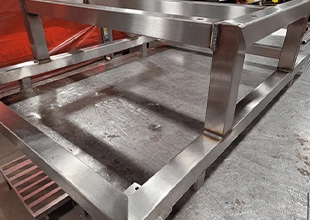
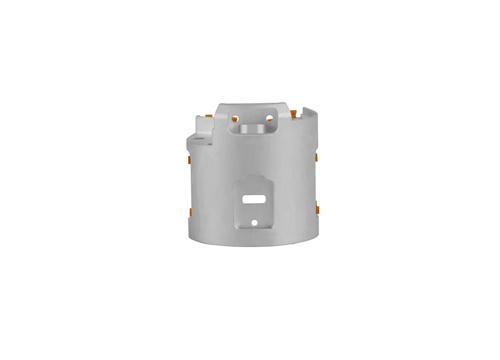
For an aluminum sheet metal chassis, compare the alloy and temper with the service environment, forming requirements, joining method and intended finish before locking the material specification.
Do not choose a metal solely because it is common in a similar product. Alloy, temper, thickness, forming method and geometry can change the result. The specification should state the required material grade and any relevant condition, while allowing engineering review when a proposed substitute would affect function or downstream processing.

A finish can add a coating layer, change surface texture, cover minor marks or alter dimensions at mating features. Consider these effects before finalizing holes, threads, grounding points, sliding interfaces and press-fit hardware. If a dimension is critical after finishing, identify whether it applies before or after the coating or treatment.
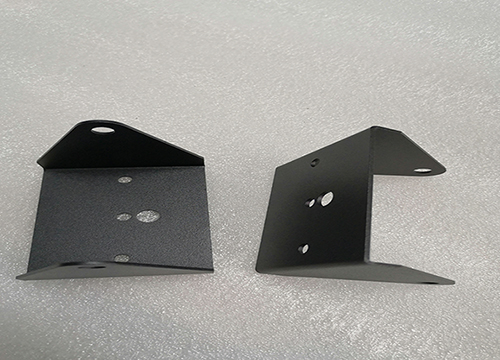
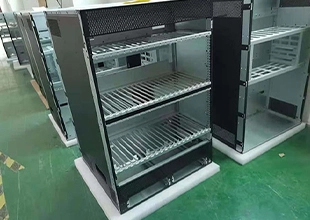
For formed parts, the specification for china sheet metal bending parts should identify whether critical dimensions apply before or after finishing.
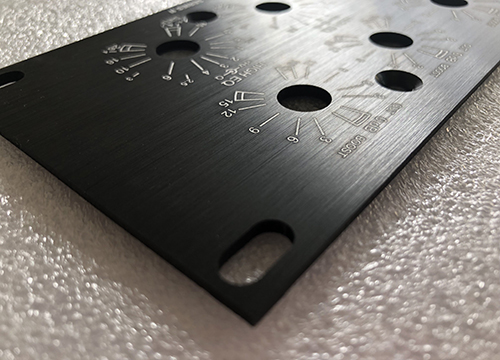
The finish description should be specific enough to quote and inspect. Where appearance matters, define color reference, gloss or texture and which surfaces must be masked. Where protection matters, identify the expected environment and the performance requirement rather than naming a finish without context. If the buyer has a required standard, cite the correct standard and revision in the drawing package.

When different metals meet, consider corrosion risk, moisture traps, contact pressure and the electrical purpose of the joint. Coatings may be beneficial on exposed surfaces but unsuitable on a bonding area or threaded interface unless the design accounts for them. The right solution depends on the environment, contact geometry and applicable product requirements; it should not be assumed from the material names alone.
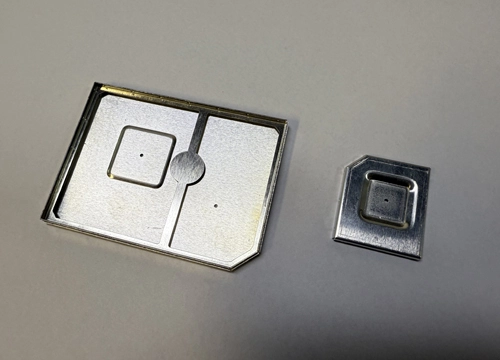
When the assembly also includes precision interfaces, a metal cnc parts supplier should coordinate material and finish callouts across both components.
For assemblies that combine formed sheet metal with machined features, align the material and finish callouts across the drawing set. The supplier should be able to identify which surfaces need a consistent finish and which must remain functional contact surfaces. This coordination helps avoid a finished part that looks correct but requires rework during assembly.
The most suitable material is one that satisfies the application and can be manufactured repeatably. Review bend radius, forming direction, weldability, hardware installation, edge treatment and the risk of visible process marks. A finish that looks excellent on a flat coupon may behave differently around formed corners, welds or recessed features.
Ask the fabricator to review material availability, the intended forming route and finishing sequence together. If an alternative material or finish is proposed, compare the change against the original requirements: function, appearance, protection, assembly, inspection and lifecycle cost. A substitution should be approved before production rather than treated as a harmless purchasing adjustment.

The released drawing should identify the material grade and condition, thickness, finish, critical masked areas and acceptance criteria. The BOM should use the same material designation as the drawing. If a supplier proposes an alternative, document the approval and update the controlled files when necessary. A practical release checklist should identify the material grade and temper, finish designation, surfaces to mask, critical dimensions measured before or after finishing, functional contact areas and the approval route for substitutions. If a supplier proposes an alternative, review performance and interface impact before changing the released specification.
HSJ can review project drawings and fabrication requirements, but the application owner remains responsible for defining the operating environment and required performance. Sharing that context early allows the manufacturing discussion to focus on the actual design constraints rather than on an isolated material or finish label.
Selection factor | Question to resolve | Specification implication |
Environment | Moisture, chemicals, abrasion or heat? | Select material and protection for actual exposure |
Fit | Do holes, threads or mating faces control assembly? | Define dimensions before or after finishing |
Electrical function | Is bonding or conductivity required? | Identify contact areas and masking needs |
Appearance | Is color, texture or grain direction visible? | Define finish reference and inspection criteria |
Yes. They affect corrosion behavior, appearance, joining, dimensional fit and assembly interfaces.
Not automatically. Suitability depends on the substrate, preparation, environment, coating system and required performance.
Yes. Coating or treatment can change surface build and contact conditions, so critical dimensions should be defined at the appropriate process stage.
Identify functional areas such as grounding points, threads, sealing faces or other interfaces where coating would interfere with performance.
Only after the customer or responsible engineering authority approves the change against the design and performance requirements.
Provide the service environment, appearance expectations, functional interfaces, applicable standards and any approved reference sample.
If you are comparing material and finish options for an OEM component, contact HSJ Fabrication to discuss your drawings, material requirements and production needs.
1.The Aluminum Association: Aluminum advantages
2.MatWeb material property database
3.ISO guidance on corrosive environments

 English
 日本語
 français
 Deutsch
 Español
 italiano
 русский
 português
 Svenska
 Ελλάδα
 Nederland