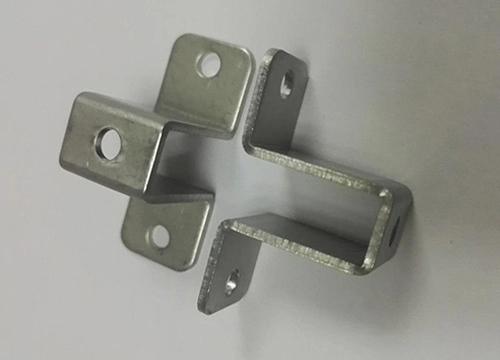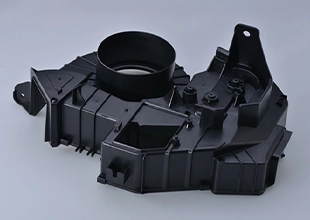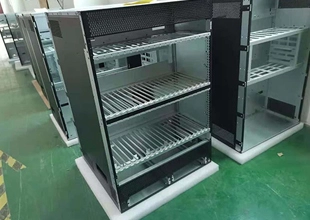

An engineering change affects a released drawing, CAD model, bill of materials, material, finish, process or acceptance requirement. Even a small-looking revision can influence tooling, bend allowance, hole location, weld sequence, finish masking or assembly fit. The safest approach is to document the change, assess its impact, obtain the required approval and release one consistent revision across purchasing, production and quality. HSJ Fabrication supports custom metal fabrication projects, where disciplined revision control helps keep the approved design aligned with manufacturing files.
Start by recording what is changing and why. Changes may be driven by a functional redesign, component availability, quality correction, cost improvement or cosmetic request. Classifying the reason helps the team decide which reviews and approvals are needed.
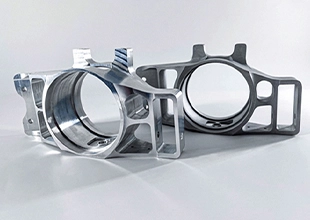
If a design includes custom turned aluminum components alongside sheet metal parts, assess whether a revision changes mating diameters, hole positions, fastener engagement or other interface dimensions.
Do not assume that a change is minor because the visible geometry is small. Moving a hole can affect a mating bracket; changing material can affect forming or finishing; changing a coating can affect fit and grounding. Identify all affected parts and interfaces before the new revision is released.

Review the change across the full process route: cutting, forming, welding, hardware installation, machining, finishing, inspection, packaging and assembly. Ask whether the change affects tooling, fixture contact, program files, inspection methods, material stock or an already completed operation.
For mixed-process assemblies, the impact review should include a metal cnc parts supplier when machined features share critical dimensions with the sheet metal component.
For assemblies containing sheet metal and machined components, confirm that mating dimensions remain compatible. A change that is safe for one part can still alter the fit of a larger assembly. If the change responds to a recurring defect, connect the corrective action to the actual failure mode rather than making an unrelated drawing adjustment.

The released drawing, CAD model, BOM and process instructions should identify a consistent revision. State which files are superseded, when the change becomes effective and whether existing work in process should be completed, reworked, segregated or scrapped.
When notifying external vendors, projects involving china sheet metal stamping parts manufacturers need a clear effective revision and disposition for work in process.
A revision table is useful, but the supplier also needs a clear release notice. Avoid distributing a revised CAD file without explaining its status. If a purchase order or inspection plan references an earlier revision, update the controlled documents or record the approved transition so both sides know which requirement governs each lot.
The required validation depends on the change. A cosmetic note may require updated visual criteria; a material change may require review of forming and finishing; a change to a mounting interface may require a fit check; a process change may require a new first-piece or inspection review.
Use risk and function to choose the evidence needed. Do not automatically repeat every test for every change, but do not waive validation simply because the part number has not changed. Record who approved the validation scope and what evidence supports the decision.
Traceability means the team can identify which revision was used for a particular order or lot. Record effective dates, quantities, remaining stock and any deviation granted for legacy parts. When old and new versions may be visually similar, use labels or separate storage to prevent unintended mixing. At minimum, record the change request, approver, effective revision, affected part numbers, open work orders, completed inventory and disposition decision. Mark superseded files as obsolete in the controlled release location, and confirm that production, inspection and purchasing teams are using the same approved revision before the next lot starts.
After the change is implemented, verify that outdated files have been removed from active production locations and that inspection staff have the current acceptance criteria. A short closeout review helps confirm that the change reached purchasing, production, quality, packaging and any downstream assembly team that needs it.

Change type | Potential impact | Typical review |
Geometry | Fit, bend sequence, tooling and inspection | DFM and interface review |
Material or finish | Formability, joining, corrosion, appearance | Material and process review |
Process | Repeatability, equipment, acceptance method | Process validation |
Documentation | Mixed revisions and incorrect production files | Revision and traceability check |
It is an approved change to a released design, specification, BOM, process or acceptance requirement.
No. The responsible customer or engineering authority should approve changes that affect released requirements.
At minimum, the controlled drawing, CAD model and BOM should be aligned; relevant process and inspection documents should also be updated.
Not necessarily. The validation scope should be based on the change’s effect on function, process, risk and acceptance criteria.
The change notice should state whether existing work is completed, reworked, segregated or scrapped and who approves the disposition.
Use lot traceability, revision identification, clear storage separation and records showing which revision applies to each order.
If a released sheet metal order requires an engineering change, contact HSJ Fabrication to discuss your drawings, material requirements and production needs.
1.ISO guidance on quality management systems
2.NIST Manufacturing Extension Partnership

 English
 日本語
 français
 Deutsch
 Español
 italiano
 русский
 português
 Svenska
 Ελλάδα
 Nederland