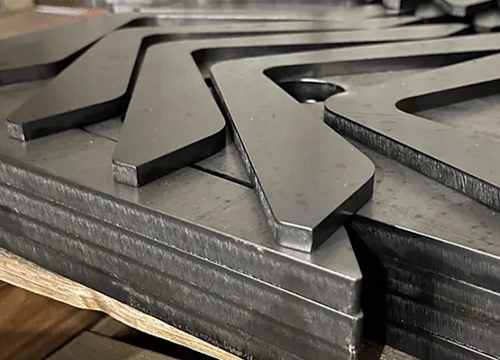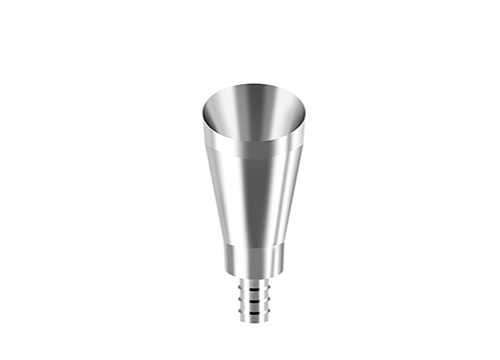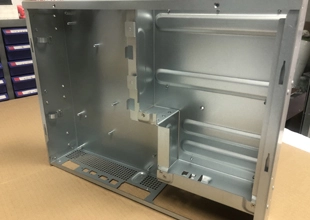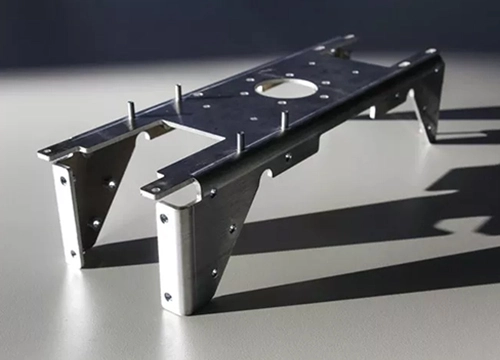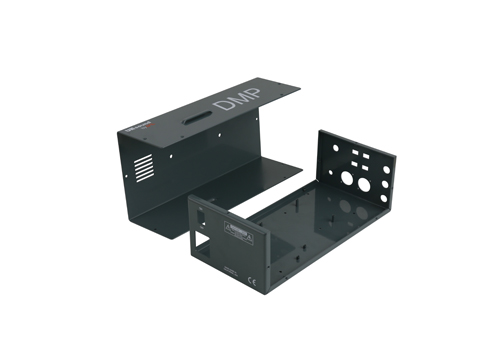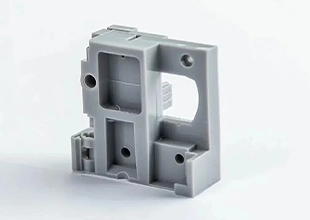

Custom aluminum parts are manufactured through a combination of precision cutting, forming, machining, and finishing processes based on the component design, production volume, and application requirements. For OEM industrial projects, the most suitable manufacturing method depends on factors such as part geometry, material thickness, tolerance requirements, and final performance expectations.
A reliable custom aluminum parts supplier should not only produce components according to drawings but also provide manufacturing guidance during the design stage. Proper process selection helps OEM buyers achieve consistent quality, efficient production, and optimized costs.
For industrial applications requiring lightweight, durable, and precisely manufactured components, working with an experienced aluminum parts manufacturer can significantly improve product development efficiency.
Custom aluminum components are widely used in industrial equipment, automation systems, machinery, and electronic equipment because aluminum provides a good balance between strength, weight, corrosion resistance, and manufacturability.
Typical OEM aluminum components include:
| Part type | Design requirement | Common manufacturing process |
|---|---|---|
| Aluminum brackets | Require accurate mounting positions | Laser cutting, bending, machining |
| Aluminum chassis components | Require lightweight structural support | Fabrication, CNC machining |
| Aluminum covers and panels | Require precise appearance and dimensions | Cutting, forming, finishing |
| Custom aluminum frames | Require rigidity and assembly accuracy | Bending, welding, machining |
| Equipment mounting parts | Require repeatable production | Stamping, machining, fabrication |
The final manufacturing approach depends on the part structure and production requirements. A professional aluminum parts supplier should evaluate the complete design before recommending a process.
Different aluminum components require different manufacturing methods. OEM buyers should understand how each process influences production efficiency, precision, and cost.
| Manufacturing process | Purpose | Suitable aluminum applications |
|---|---|---|
| Laser cutting | Creates accurate flat profiles | Panels, plates, brackets |
| Sheet metal bending | Forms three-dimensional shapes | Covers, housings, supports |
| CNC machining | Produces detailed precision features | Complex aluminum components |
| Stamping | Enables repeatable high-volume production | Consistent formed parts |
| Surface finishing | Improves appearance and protection | Finished external components |
For example, a simple aluminum bracket may only require cutting and bending, while a precision custom aluminum component with complex features may require additional machining operations.
Choosing the correct process helps balance manufacturing cost, quality, and production requirements.

Good design decisions can improve manufacturability and reduce unnecessary production challenges. OEM buyers should consider manufacturing requirements early during product development.
Important design factors include:
| Design factor | Manufacturing impact |
|---|---|
| Material thickness | Affects strength, forming, and weight |
| Bend radius | Influences forming quality and surface appearance |
| Hole location | Determines assembly accuracy |
| Part geometry | Affects process complexity |
| Tolerance requirements | Influences machining and inspection needs |
When developing customized aluminum parts, manufacturers should review the design to identify possible improvements before production begins.
Early engineering communication can help avoid issues such as difficult forming conditions, unnecessary processing steps, or increased manufacturing costs.
Aluminum is commonly selected for industrial components because it offers several advantages compared with heavier metal materials.
Key benefits include:
| Aluminum advantage | Value for OEM applications |
|---|---|
| Lightweight structure | Reduces overall product weight |
| Corrosion resistance | Improves long-term durability |
| Good machinability | Supports precision manufacturing |
| Attractive surface finish | Suitable for visible components |
| Thermal performance | Useful for certain equipment applications |
These characteristics make aluminum suitable for products where weight reduction, appearance, and manufacturing flexibility are important.
A capable aluminum parts manufacturer can help customers select suitable aluminum processing methods according to application requirements.
Choosing an aluminum supplier requires evaluating manufacturing capability, engineering support, and quality control practices.
OEM buyers should review:
| Evaluation factor | Key questions |
|---|---|
| Processing capability | Can the supplier support required aluminum manufacturing processes? |
| Production experience | Have they produced similar components? |
| Quality control | How are dimensions and surface quality inspected? |
| Engineering support | Can they provide design-for-manufacturing suggestions? |
| Production flexibility | Can they support prototypes and volume production? |
A reliable supplier should understand not only how to manufacture aluminum parts but also how to improve production efficiency and maintain consistent quality.
Quality control is essential because aluminum components often require accurate dimensions and consistent assembly performance.
Common inspection areas include:
| Inspection stage | Focus area |
|---|---|
| Material inspection | Verify aluminum specification and thickness |
| Dimensional inspection | Check critical sizes and tolerances |
| Surface inspection | Confirm appearance and finish quality |
| Assembly verification | Ensure proper fit with related components |
For OEM projects, quality requirements should be defined before production. This allows manufacturers to establish appropriate inspection procedures and avoid communication issues.

Custom aluminum components are used across various industrial fields where lightweight and reliable metal structures are required.
Typical applications include:
| Industry | Example aluminum parts |
|---|---|
| Industrial equipment | Frames, brackets, covers |
| Automation systems | Mounting components and structural parts |
| Machinery manufacturing | Custom support components |
| Electronic equipment | Lightweight housings and panels |
The flexibility of aluminum fabrication makes it suitable for both prototype development and ongoing OEM production.
OEM buyers need more than a production supplier. They need a manufacturing partner that understands design requirements, production challenges, and quality expectations.
HSJ Fabrication supports custom aluminum manufacturing through:
Sheet metal fabrication expertise
Aluminum cutting and forming capabilities
Precision manufacturing processes
OEM project communication
Quality inspection support
By combining engineering experience with flexible production capabilities, HSJ helps customers develop reliable custom aluminum parts for industrial applications.
Custom aluminum parts are made through processes such as cutting, bending, machining, stamping, and finishing based on the design requirements.
They are commonly used in industrial equipment, automation systems, machinery, and electronic applications.
Consider manufacturing capability, quality control, engineering support, and experience with similar projects.
Yes. Aluminum parts can support both prototype development and high-volume OEM manufacturing.
Suppliers usually need drawings, materials, quantities, tolerances, and finishing requirements.
Manufacturing custom aluminum parts requires careful consideration of design, material properties, production processes, and quality requirements. For OEM buyers, selecting an experienced supplier ensures that components are produced efficiently while maintaining required performance standards.
A professional custom aluminum parts supplier should provide manufacturing expertise, engineering support, and reliable quality control throughout the project.
HSJ Fabrication provides OEM customers with customized aluminum manufacturing solutions, supporting industrial applications through precision fabrication, forming, machining, and sheet metal production capabilities.

 English
 日本語
 français
 Deutsch
 Español
 italiano
 русский
 português
 Svenska
 Ελλάδα
 Nederland